
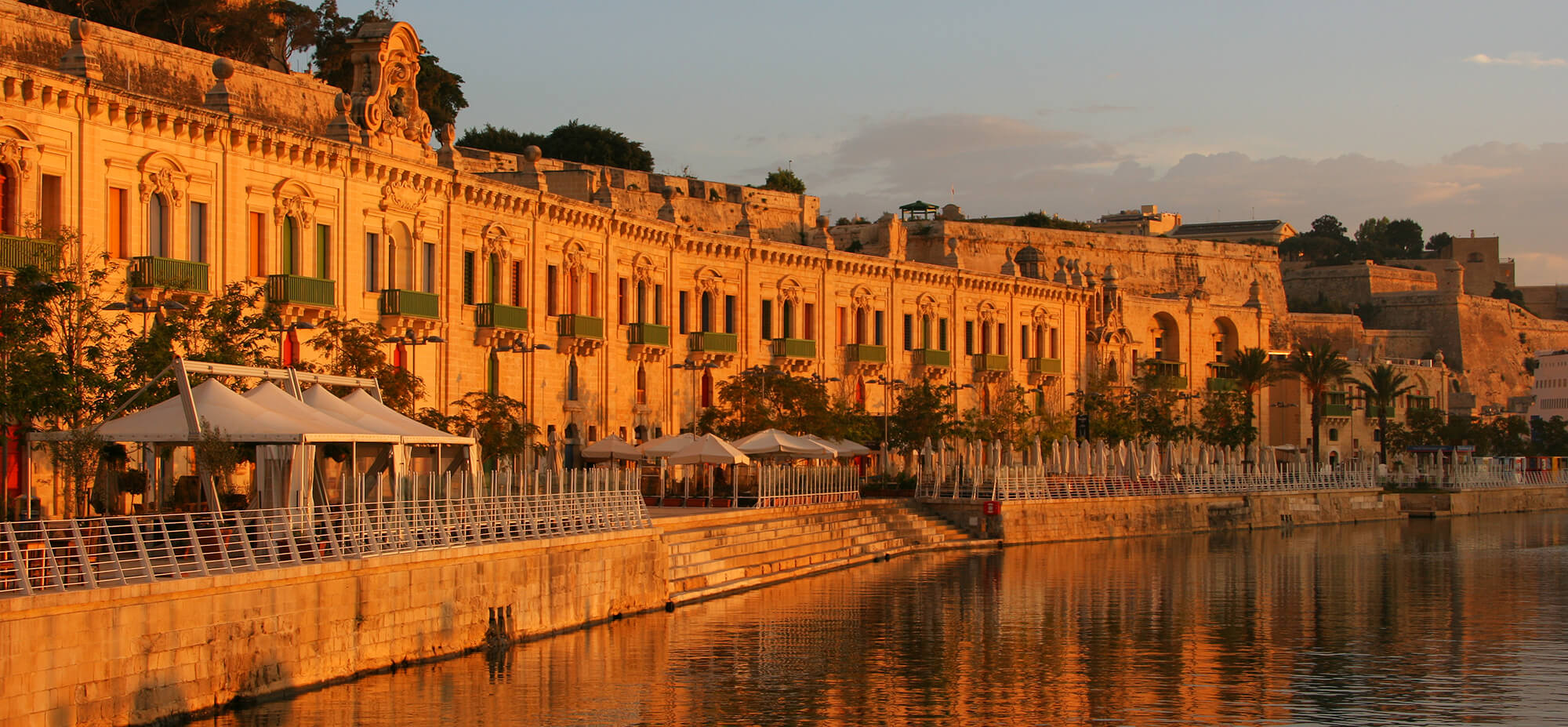
Golden Triangle Tour
Destinations Covered - Delhi, Agra, Fatehpur Sikri, JaipurOverview
Experience the quintessential Indian journey with Outlander’s 7-day Golden Triangle Tour. This classic route connects the country’s most celebrated heritage destinations, offering a captivating blend of Mughal grandeur and Rajput royalty. Begin your adventure in the bustling capital of Delhi, exploring ancient minarets and imperial boulevards. Travel to Agra to witness the eternal beauty of the Taj Mahal and the imposing red sandstone walls of the Agra Fort. Journey westward through the abandoned ghost city of Fatehpur Sikri to conclude your tour in the vibrant Pink City of Jaipur. Here, you will marvel at the hilltop Amber Fort and the intricate Hawa Mahal. Complete with premium accommodations and private chauffeur-driven transfers, this tour provides a seamless and unforgettable introduction to India’s rich history.
Inclusions
- Welcome drinks,
- Accommodation as per sharing basis,
- Morning tea,
- Daily breakfast and dinner,
- Free uses of in-house activates ( if any),
- All transfer, sight seen from Delhi to Jaipur / delhi by Dzire /Etios / Innova/ Tempo traveller/ coaches ( As per number of guest ),
Itinerary
This 7-day cultural odyssey captures the absolute best of Northern India's golden circuit. Starting in the capital of Delhi, explore a blend of Mughal monuments and British imperial architecture. Travel along the Yamuna Expressway to Agra to witness the incomparable beauty of the Taj Mahal at sunrise. The journey then heads westward into Rajasthan, stopping at the preserved red sandstone ghost city of Fatehpur Sikri. Arrive in the Pink City of Jaipur to uncover the royal grandeur of its forts, palaces, and vibrant bazaars before concluding your grand tour with a departure from Jaipur.
Day 1: Arrival in Delhi & Leisureclose
Welcome to the historic capital of India
Day 2: Old & New Delhi Heritage Tourclose
From Mughal bastions to imperial boulevards
Day 3: Delhi to Agraclose
Journey to the Mughal capital
Day 4: The Taj Mahal & Drive to Jaipur via Fatehpur Sikriclose
Eternal love and deserted cities
Day 5: Jaipur Pink City Explorationclose
Hilltop fortresses and royal astronomy
Day 6: Jaipur Cultural Heritage & Leisureclose
Museums, temples, and vibrant bazaars
Day 7: Jaipur Departureclose
Bid farewell to the land of kings
Gallery
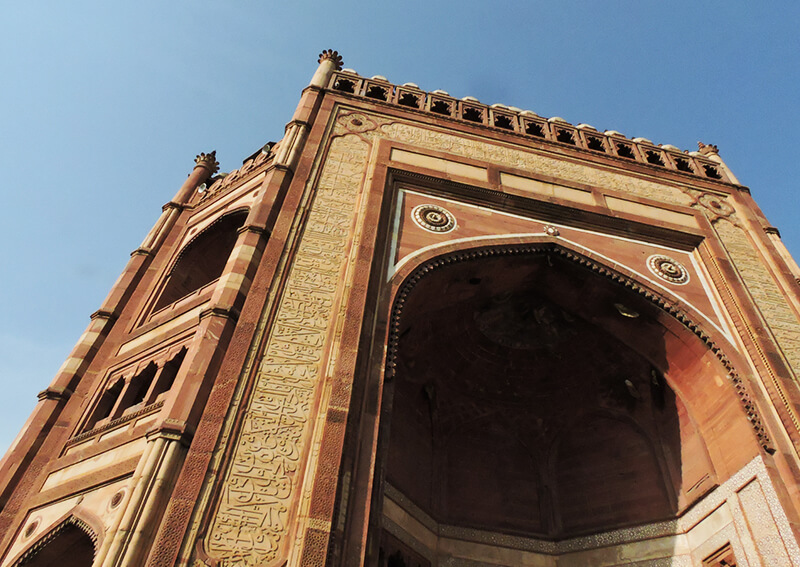
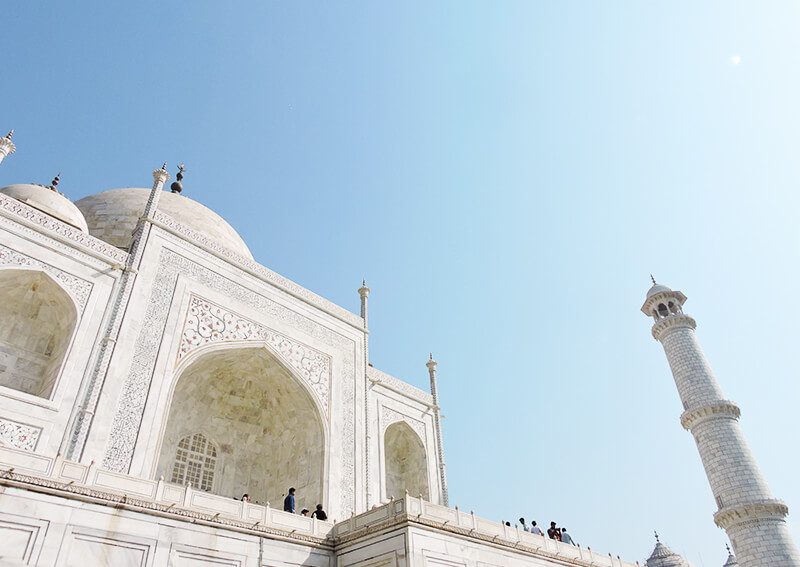
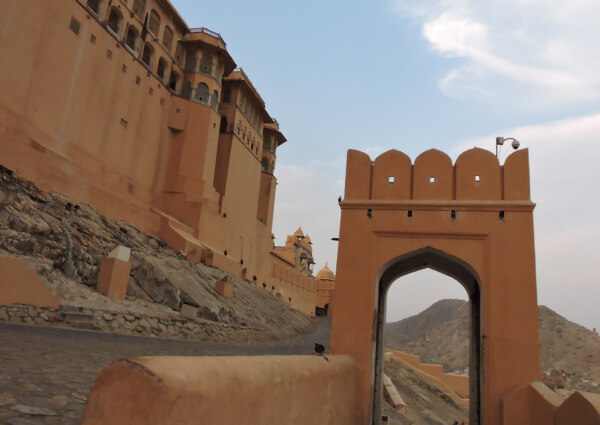
Immerse yourself in the spectacular architectural diversity of India through our gallery. Marvel at the pristine white marble symmetry of the Taj Mahal reflecting the dawn light and the striking red sandstone courtyards of Fatehpur Sikri. Capture the soaring heights of the Qutub Minar in Delhi, and gaze upon the golden ramparts of Amber Fort and the iconic honeycomb facade of the Hawa Mahal in Jaipur, reflecting the true essence of India’s Golden Triangle.
Exclusions
- 1. Honeymoon inclusion Rs. 2500 for per nights candle light dinner with flower decoration,
- 2. Personal expenses,
- 3. Entry fees- all monuments, boating, camel ride, buggy ride,
- 4. Any adventure activates if any and want do,
- 5. Personal Tips,
Important Notes
Important Notes Description:
- The Taj Mahal in Agra remains strictly closed to tourists on Fridays; the itinerary sequence will be adjusted accordingly if Day 4 falls on a Friday.
- Modest attire covering shoulders and knees is mandatory when entering active religious sites, including Jama Masjid in Delhi and Birla Mandir in Jaipur.
- Overland travel covers extensive distances; comfortable AC vehicles with experienced drivers are assigned to ensure seamless and safe travel.
- Standard hotel check-in time is 14:00 and check-out time is strictly 12:00 noon.
Essential trip
information!
Pack a versatile wardrobe suitable for varying climates and cultural norms: lightweight, breathable cotton clothing for daytime sightseeing in palaces and temples, and warm sweaters or a light jacket for winter mornings and evenings (November to February). Sturdy, comfortable slip-on walking shoes are highly recommended, as footwear must be frequently removed at temples and fort pavilions. Bring essential sun protection (high-SPF sunscreen, sunglasses, wide-brimmed hat) and personal medications. The local currency is the Indian Rupee (INR); while digital payments and cards are widely accepted in major cities, carrying cash is necessary for rural markets, local tipping, and entry tickets.
Reviews
You may also like
5 Nights and 6 Days
Delhi - Kausani Tour
Trip Type:Hill Station, Nature, Leisure
Activity Level:Low to Moderate
Service Level:Premium
10 Days and 9 Nights
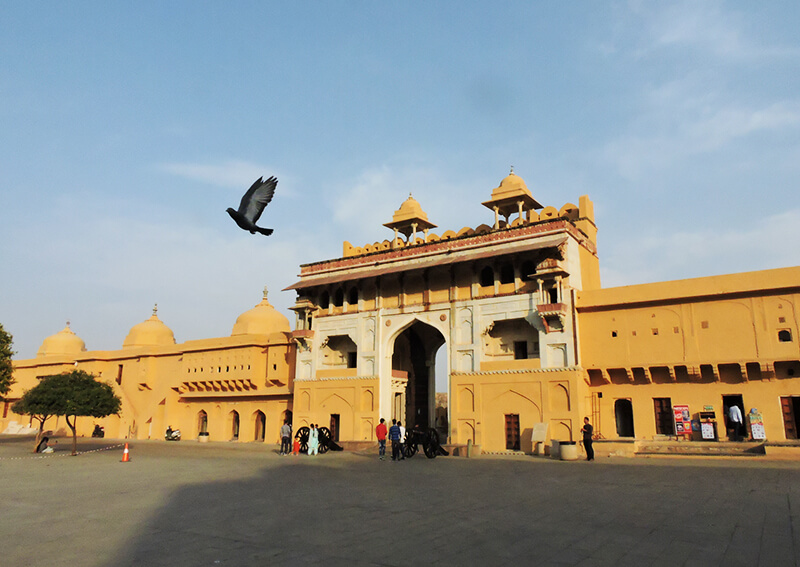
Colourful Rajasthan Tour
Trip Type:Heritage, Cultural, Architectural
Activity Level:Moderate
Service Level:Premium
14 Days and 13 Nights
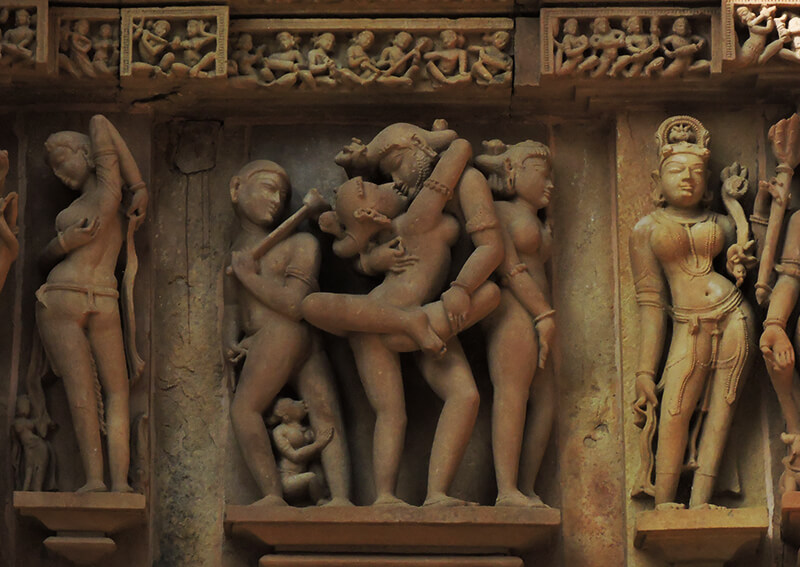
Golden Triangle With Rajasthan & Khajuraho 2
Trip Type:Heritage, Cultural, Architectural
Activity Level:Moderate
Service Level:Premium
3 Days and 2 Nights
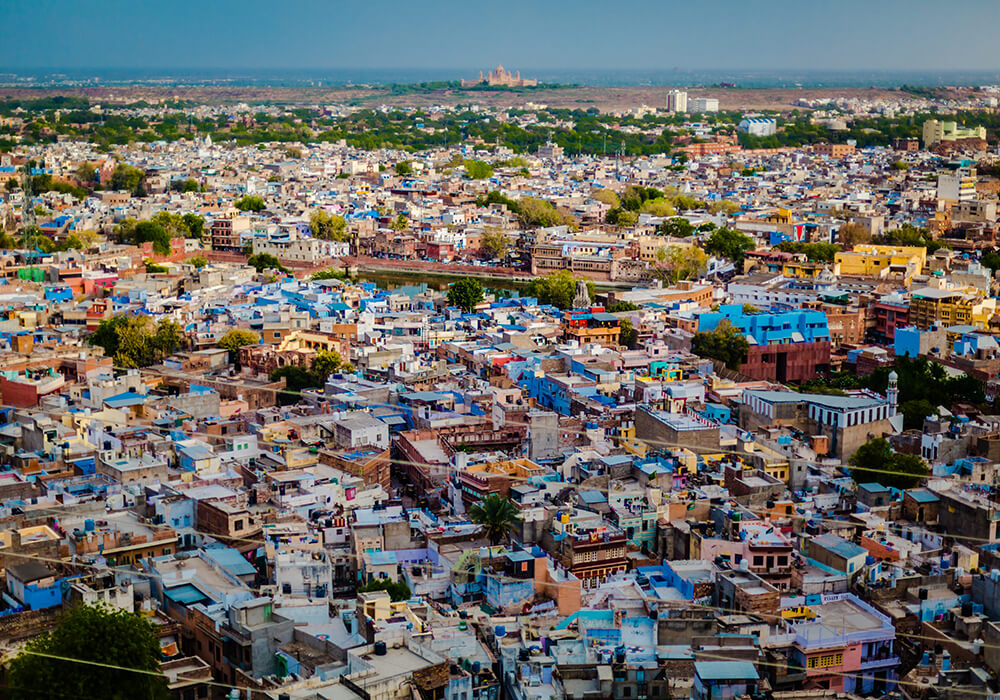
Rajasthan - Jaipur Tour
Trip Type:Heritage, Royal, Cultural
Activity Level:Light to Moderate
Service Level:Premium
10 Days and 9 Nights
Golden Tringle Tour With Amritsar
Trip Type:Heritage, Cultural, Spiritual
Activity Level:Moderate
Service Level:Excellent
14 Days and 13 Nights
Exclusive Rajathan With Taj
Trip Type:Heritage, Royal, Cultural
Activity Level:Moderate
Service Level:Premium
7 Days and 6 Night
Magnificent Rajasthan Tour 2
Trip Type:Heritage, Royal, Cultural
Activity Level:Moderate
Service Level:Premium
11 Days and 10 Days
Rajasthan Splendid Heritage Tour
Trip Type:Heritage, Royal, Cultural
Activity Level:Moderate
Service Level:Premium