Hornbill Festival
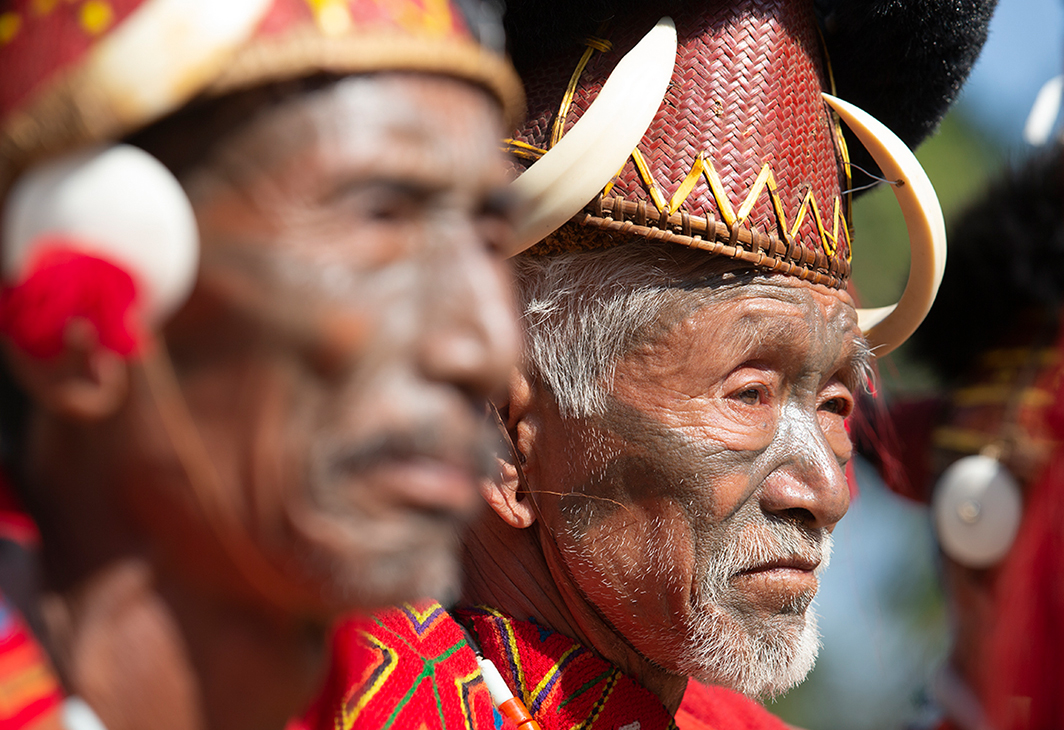
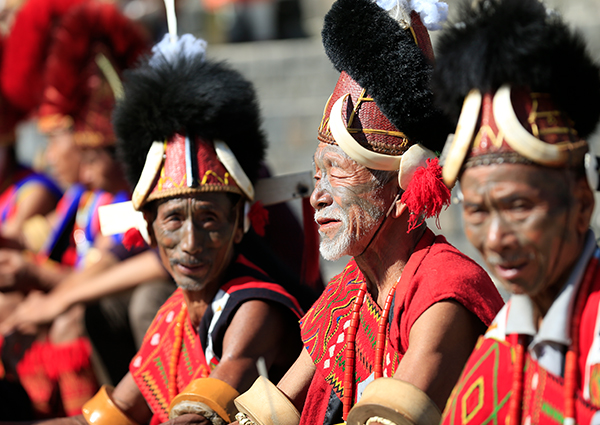
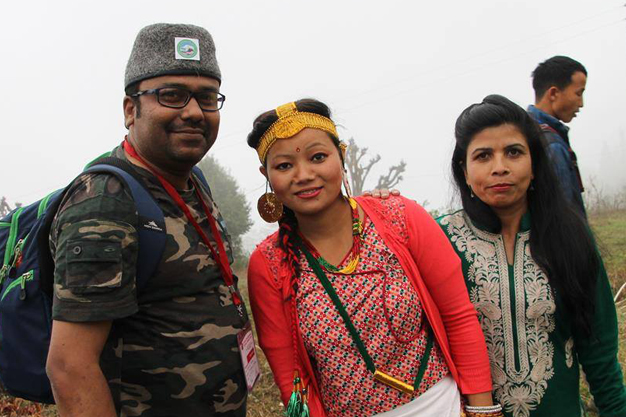
The Hornbill Festival is Nagaland’s most famous cultural celebration, held annually at the Kisama Heritage Village near Kohima. Known as the “Festival of Festivals,” it showcases the traditions, customs, music, dance, crafts, and cuisine of the state’s many Naga tribes. Visitors can experience colourful tribal performances, traditional sports, indigenous games, handloom exhibitions, and authentic Naga food. The festival also features folk songs, warrior dances, art displays, and contemporary music performances, creating a unique blend of tradition and modern culture. Celebrated every December, the Hornbill Festival attracts travellers from around the world and provides an unforgettable introduction to Nagaland’s rich heritage and vibrant tribal identity.
Kohima
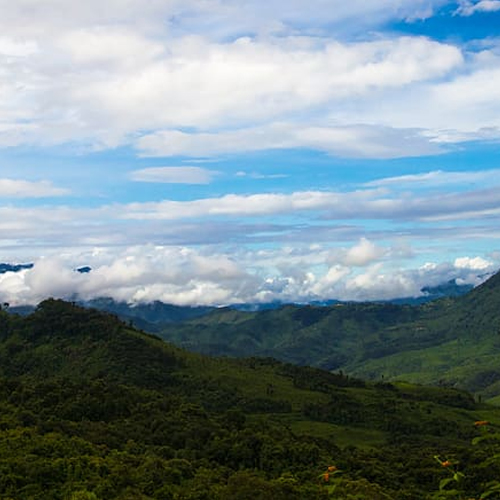
Kohima is the capital city of Nagaland and a cultural centre known for its scenic hills, historical landmarks, and vibrant Naga traditions. Located amidst lush mountains, the city offers beautiful viewpoints, peaceful surroundings, and a fascinating blend of modern life and indigenous heritage. Visitors can explore the Kohima War Cemetery, Kisama Heritage Village, local markets, and nearby tribal villages. The city is also famous for hosting the Hornbill Festival, which celebrates the diverse cultures of Nagaland. With its rich history, traditional crafts, colourful festivals, and welcoming communities, Kohima provides travellers with an excellent introduction to the landscapes and cultural richness of Northeast India.
Khonoma Heritage village
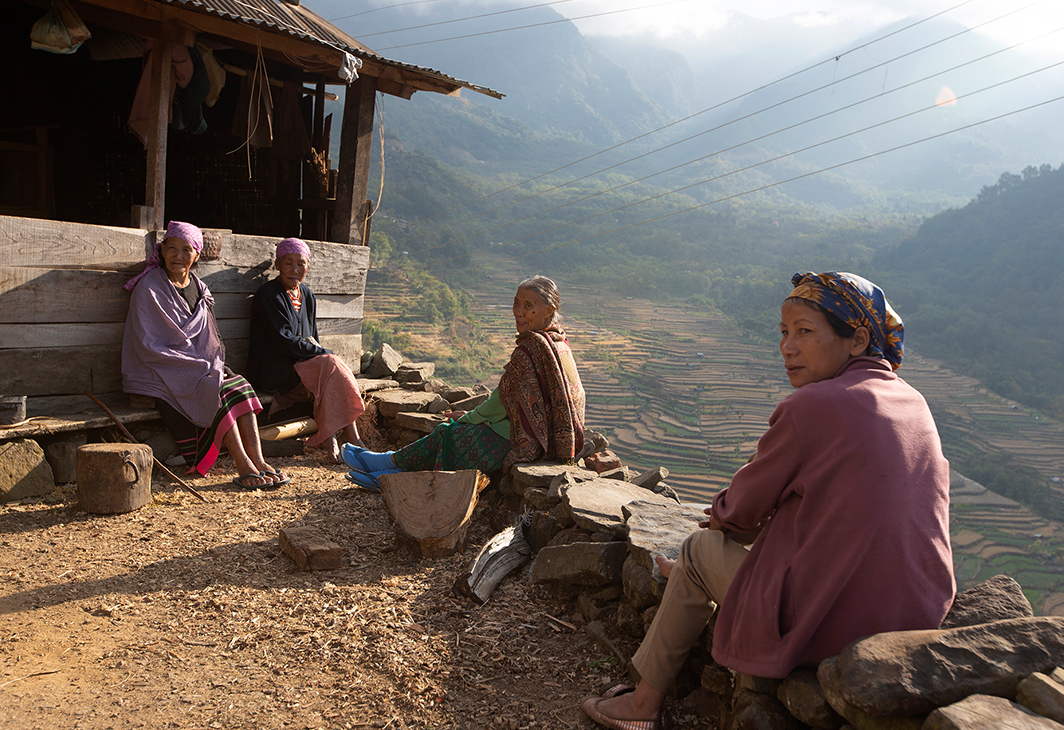
Khonoma Heritage Village is one of Nagaland’s most remarkable cultural destinations, famous for its history, conservation efforts, and traditional Angami Naga lifestyle. Known as India’s first green village, Khonoma has preserved its forests and wildlife through community-led conservation practices. Visitors can explore traditional stone houses, ancient forts, terraced fields, and historical sites that reflect the village’s warrior heritage. The surrounding hills offer beautiful trekking opportunities and panoramic views of the landscape. Travellers can experience local customs, traditional farming methods, and authentic Naga hospitality. Khonoma’s unique combination of history, culture, and environmental conservation makes it a must-visit destination in Nagaland.
Dimapur
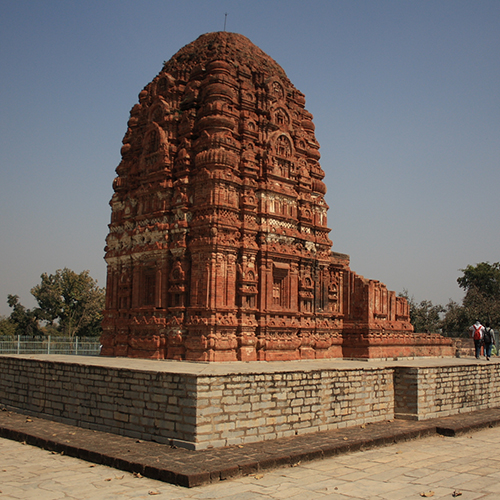
Dimapur is Nagaland’s largest city and an important commercial and historical gateway to the state. Located in the foothills, it serves as the main entry point for travellers arriving by air and rail. The city is known for its historical attractions, including the ancient Kachari Ruins, which showcase the heritage of the medieval Kachari civilisation. Visitors can explore local markets, traditional handicrafts, temples, and nearby natural attractions. Dimapur also provides access to other popular destinations such as Kohima and tribal villages across Nagaland. With its combination of history, culture, trade, and connectivity, Dimapur offers an interesting introduction to the diverse character of Nagaland.
Japfu Peak
Japfu Peak is one of Nagaland’s highest mountains and a popular destination for trekking and nature enthusiasts. Located near Kohima, the peak rises dramatically above lush forests and offers spectacular panoramic views of the surrounding hills and valleys. The region is famous for its rich biodiversity, rare plants, and the world’s tallest recorded rhododendron tree. Trekking to Japfu Peak provides an exciting adventure through dense forests, scenic landscapes, and peaceful natural surroundings. The summit offers breathtaking sunrise and sunset views, making it a favourite spot for photographers and outdoor lovers. Japfu Peak represents the stunning natural beauty and adventurous spirit of Nagaland.
Dzukou Valley
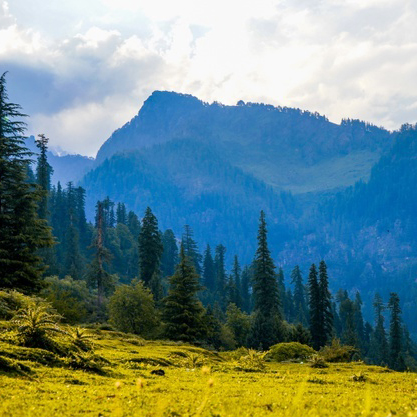
Dzukou Valley is one of Nagaland’s most breathtaking natural destinations, famous for its rolling green hills, crystal-clear streams, and seasonal flowers. Located on the border of Nagaland and Manipur, the valley is especially known for the rare Dzukou Lily that blooms during the summer months. Adventure enthusiasts visit the region for trekking, camping, and photography while enjoying spectacular views of the surrounding mountains. The peaceful atmosphere, untouched landscapes, and rich biodiversity make Dzukou Valley a paradise for nature lovers. With its scenic beauty and serene environment, it offers an unforgettable escape into the natural wilderness of Northeast India.
Mokokchung
Mokokchung is a culturally significant hill town in Nagaland, known as the centre of Ao Naga heritage, traditions, and festivals. Surrounded by beautiful hills and valleys, the town offers visitors a glimpse into the rich lifestyle, customs, and hospitality of the Ao community. Attractions include scenic viewpoints, traditional villages, and colourful celebrations such as Moatsu Festival, which showcases music, dance, and local traditions. Visitors can explore nearby villages, enjoy local cuisine, and experience authentic Naga culture. With its peaceful environment, breathtaking landscapes, and vibrant heritage, Mokokchung provides travellers with a meaningful cultural experience and a deeper understanding of Nagaland’s indigenous traditions.
Wokha
Wokha is a scenic destination in Nagaland, famous for its natural beauty, rolling hills, and the rich cultural traditions of the Lotha Naga community. The region is known for its terraced fields, orange orchards, and peaceful countryside landscapes. Visitors can explore Mount Tiyi, a popular viewpoint offering panoramic views of the surrounding valleys, and experience local festivals celebrating Naga culture. Wokha is also home to diverse wildlife and offers opportunities for nature walks, photography, and village exploration. With its combination of breathtaking scenery, traditional heritage, and warm local hospitality, Wokha is an ideal destination for travellers seeking authentic experiences in Nagaland.
Mon
Mon is a fascinating destination in northern Nagaland, famous for its unique Konyak Naga culture, traditional villages, and historical significance. The region is best known for the Konyak community, traditionally associated with tattooed warriors and skilled artisans. Visitors can explore remote villages such as Longwa, where the chief’s house is located partly in India and partly in Myanmar. Travellers can experience traditional crafts, wood carvings, festivals, and the distinctive lifestyle of the Konyak people. Surrounded by lush hills and forests, Mon offers a rare opportunity to discover Nagaland’s tribal heritage, making it a remarkable destination for cultural exploration and adventure.
Phek
Phek is a beautiful hill district in Nagaland known for its stunning landscapes, traditional villages, and rich cultural heritage. Surrounded by mountains, forests, and lakes, the region offers a peaceful retreat for nature lovers and adventure seekers. Visitors can explore the picturesque village of Pfutsero, known as one of the coldest inhabited places in Nagaland, and enjoy breathtaking views of the surrounding hills. The area is also famous for trekking, birdwatching, and experiencing the traditions of the Chakhesang Naga community. With its untouched natural beauty, vibrant festivals, and welcoming villages, Phek provides an authentic and memorable travel experience in Nagaland.