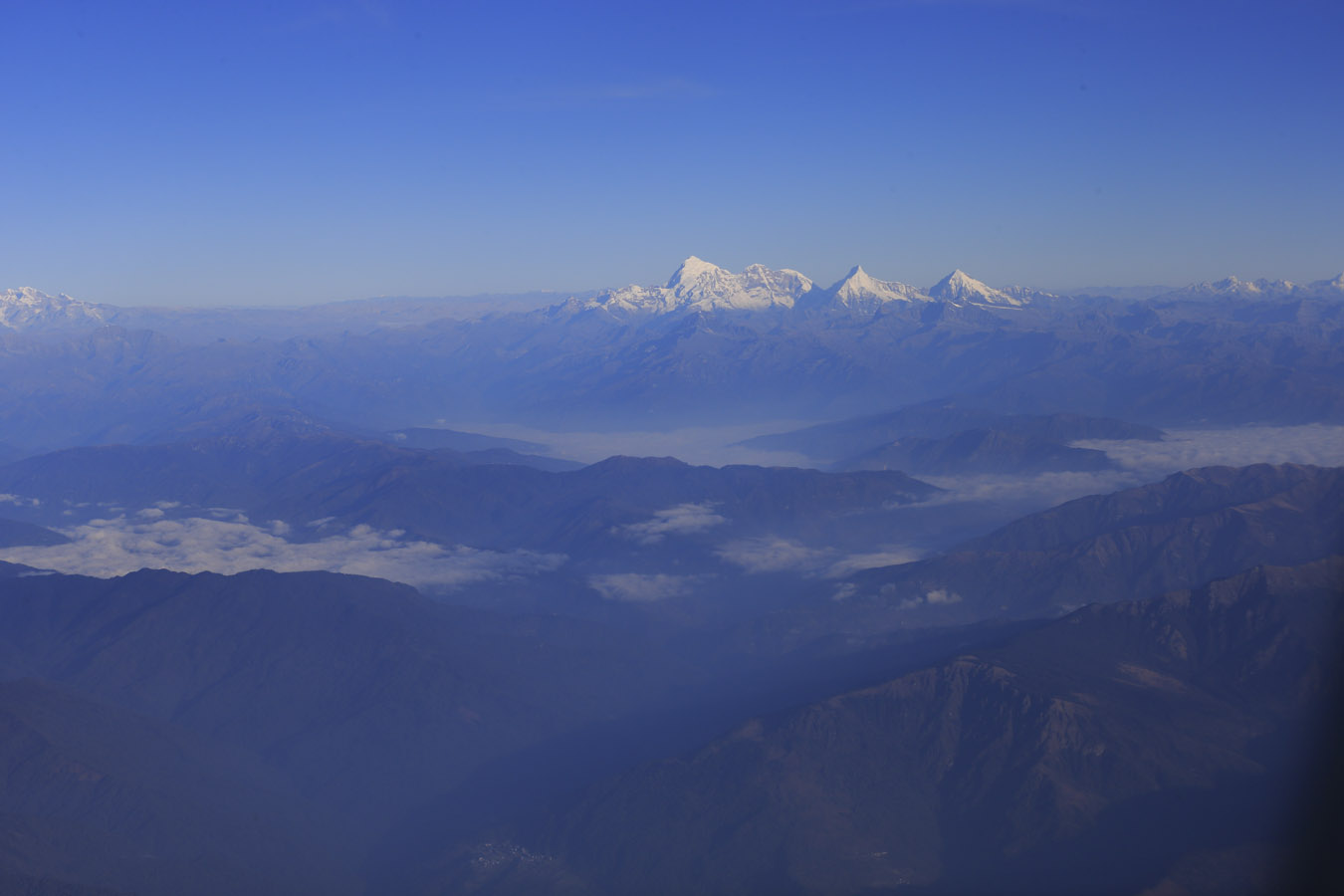
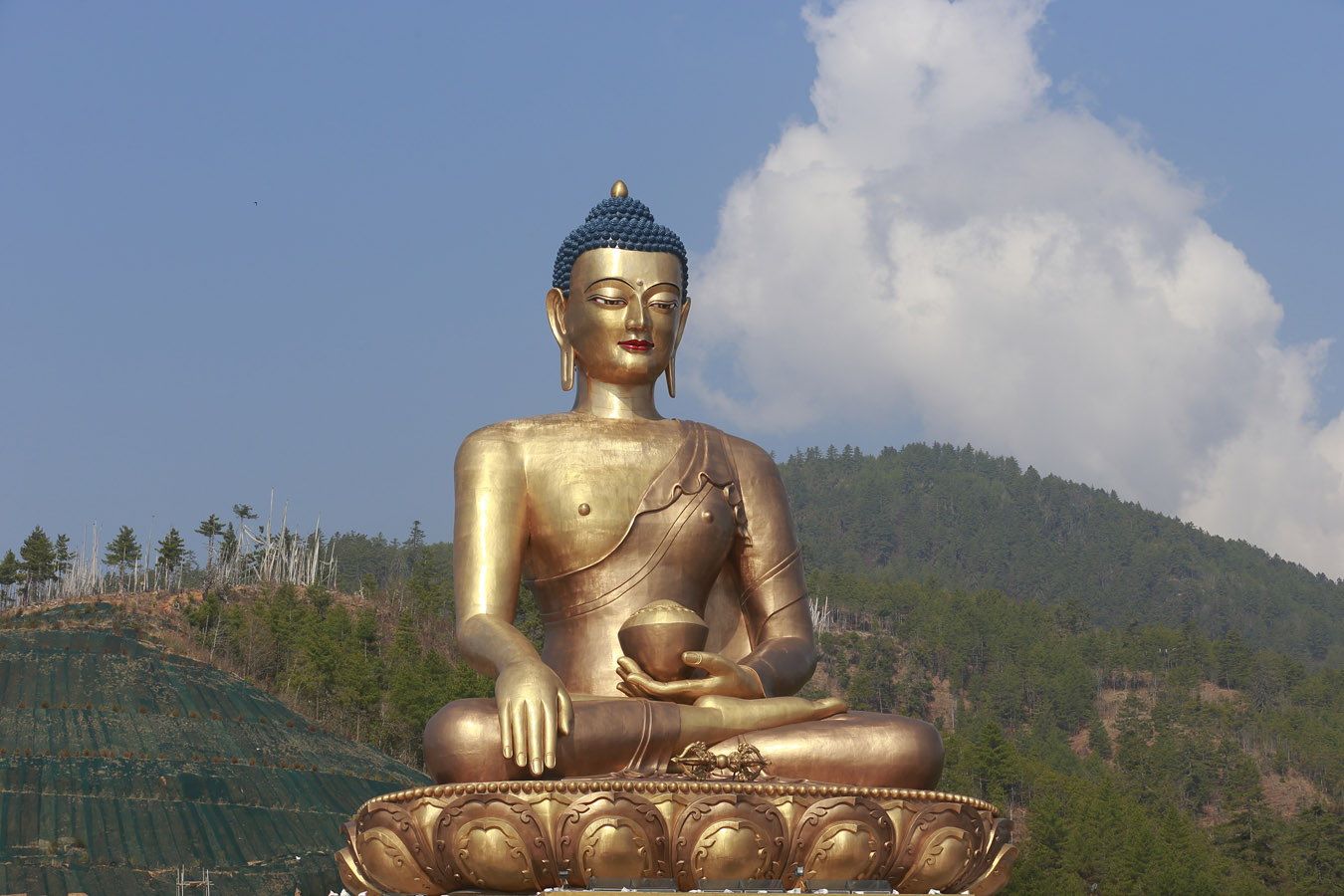
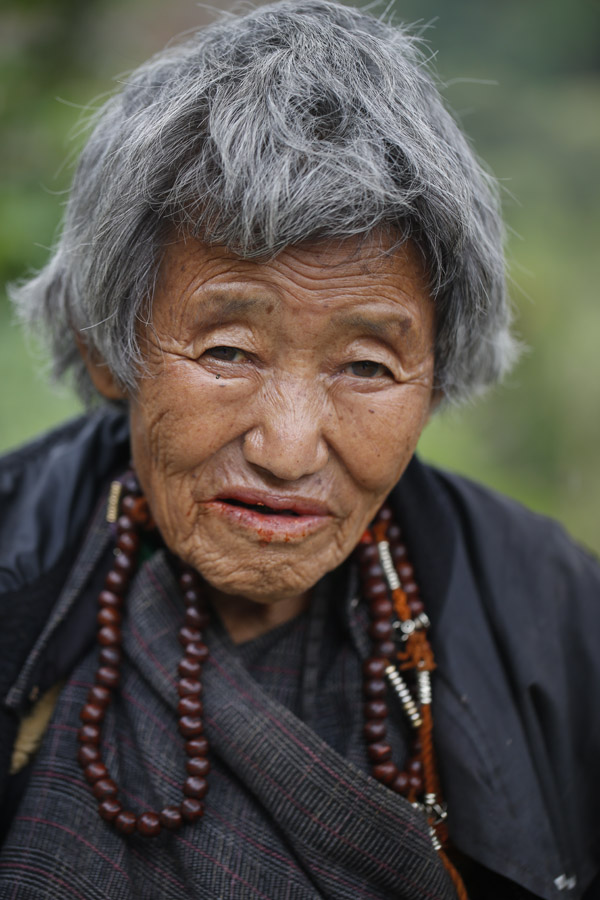
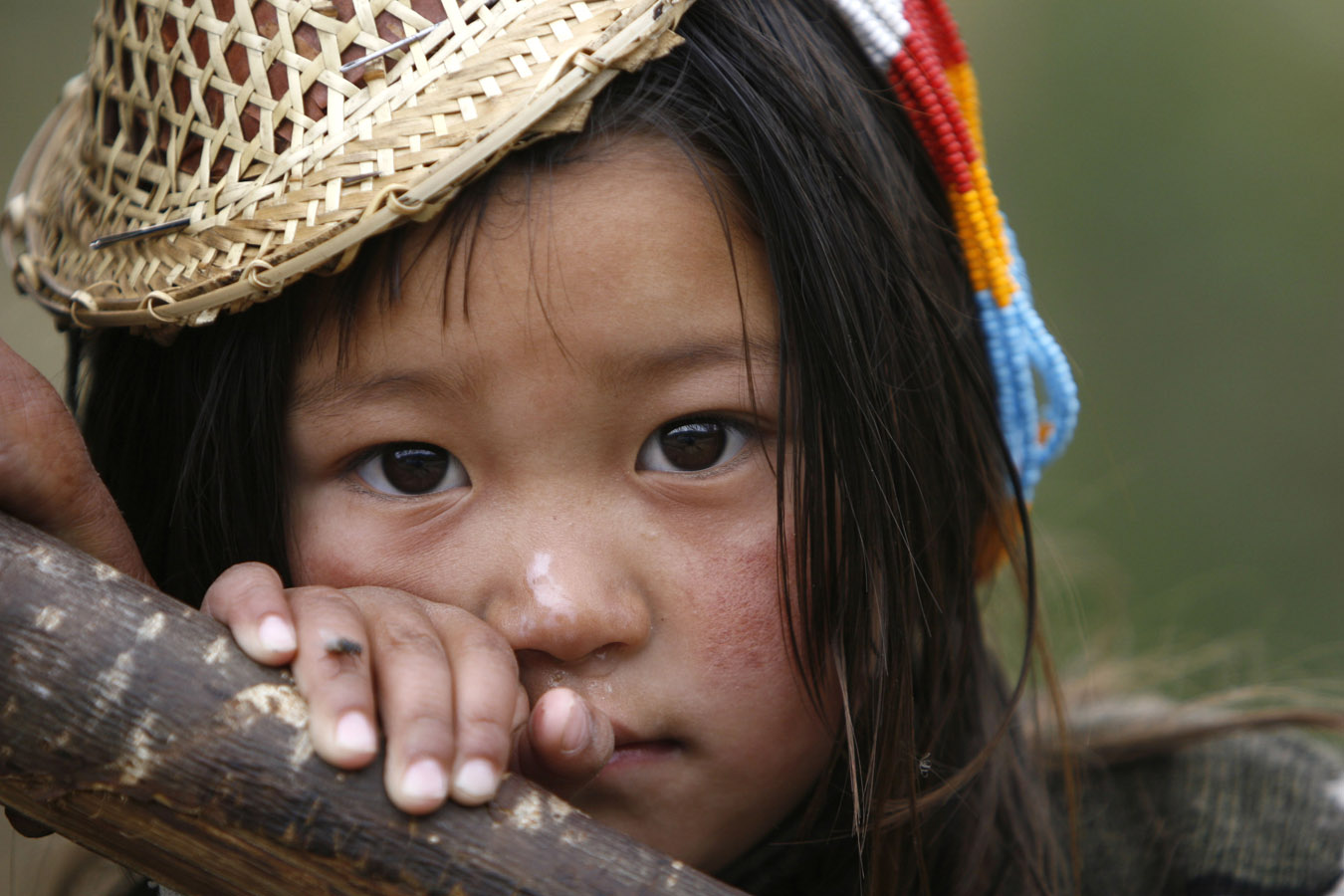
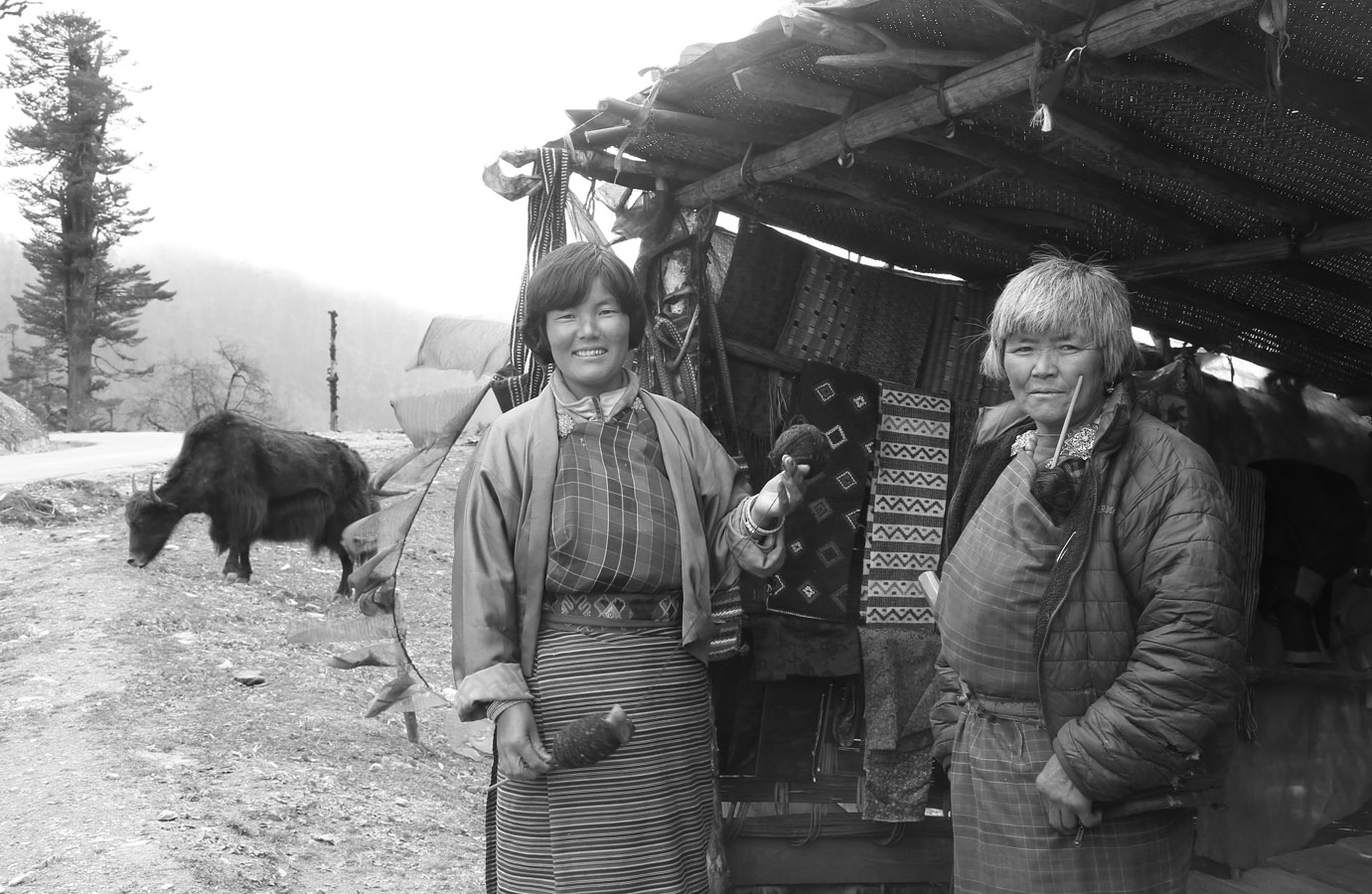
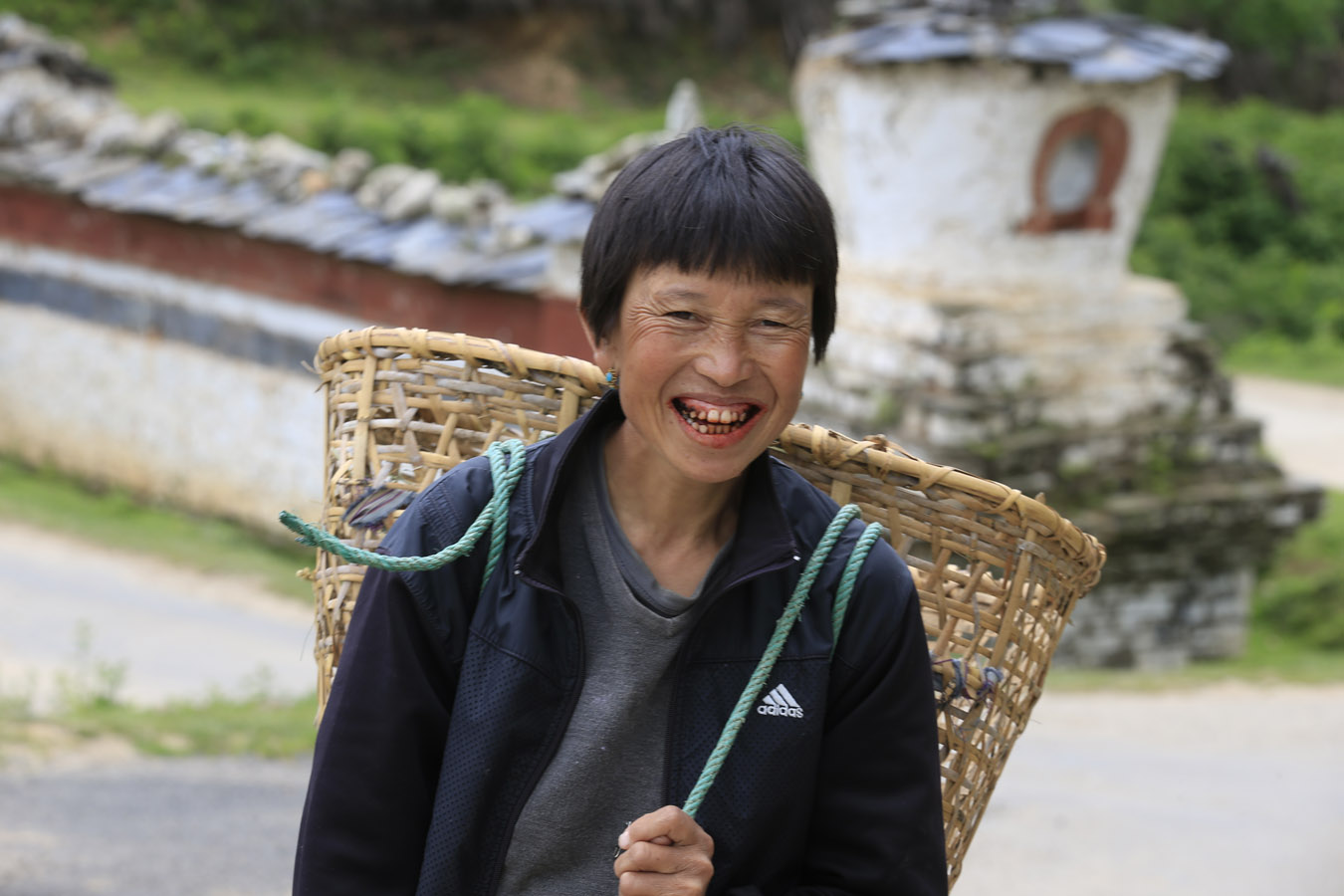
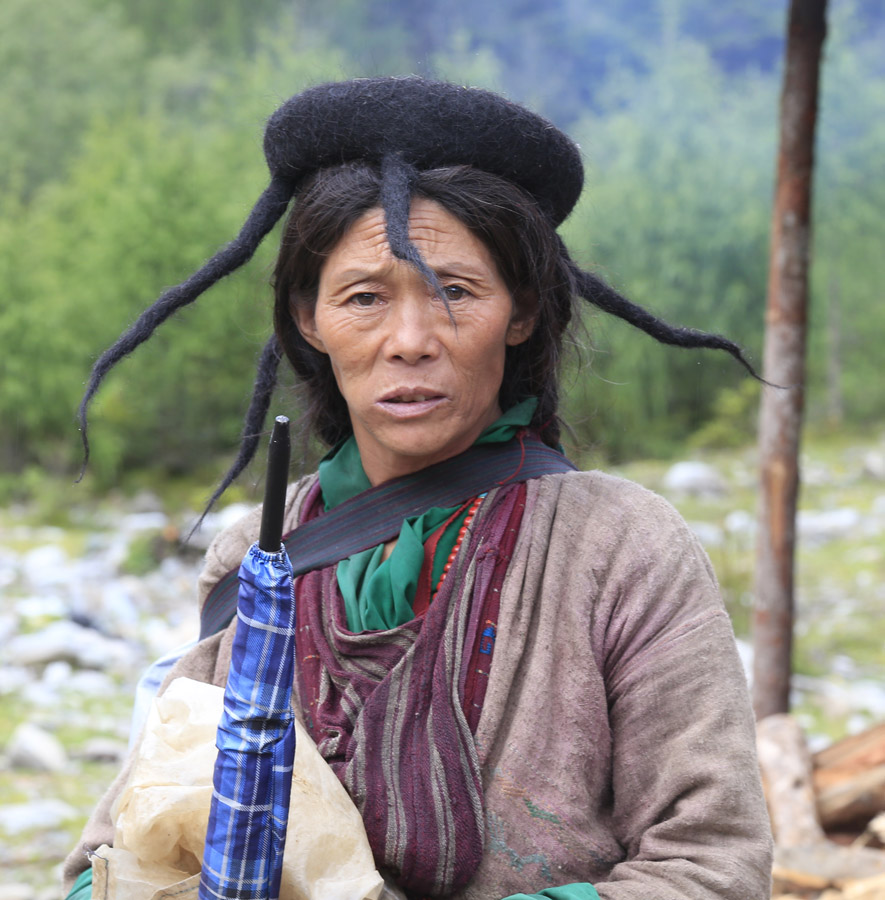
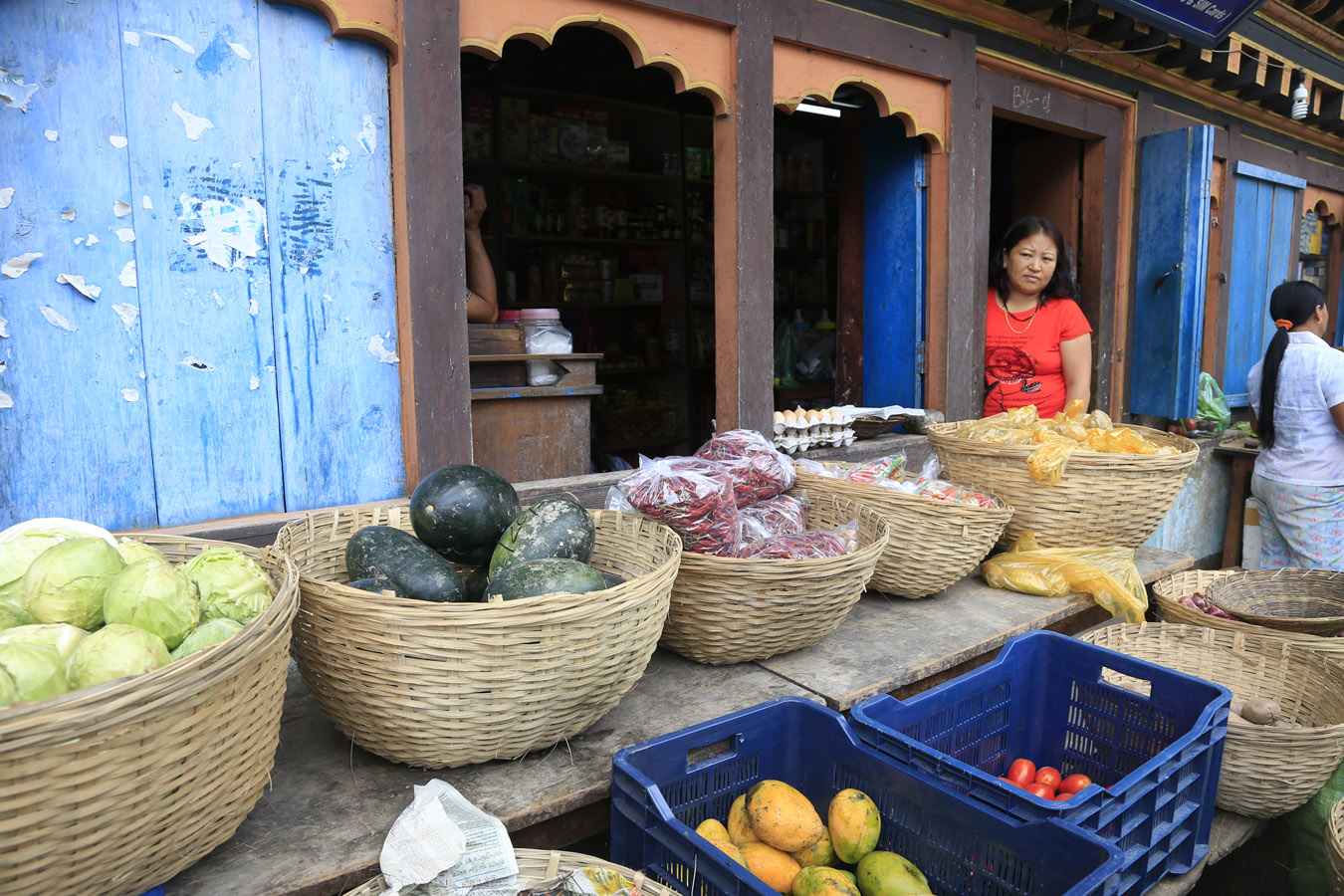
Bhutan is a small Buddhist Kingdom situated in the eastern Himalayas about the size of Switzerland, sandwiched between China and India. It was totally land lock country till 1984, when Druk Air (National Airlines) first started operating flight to outside world.
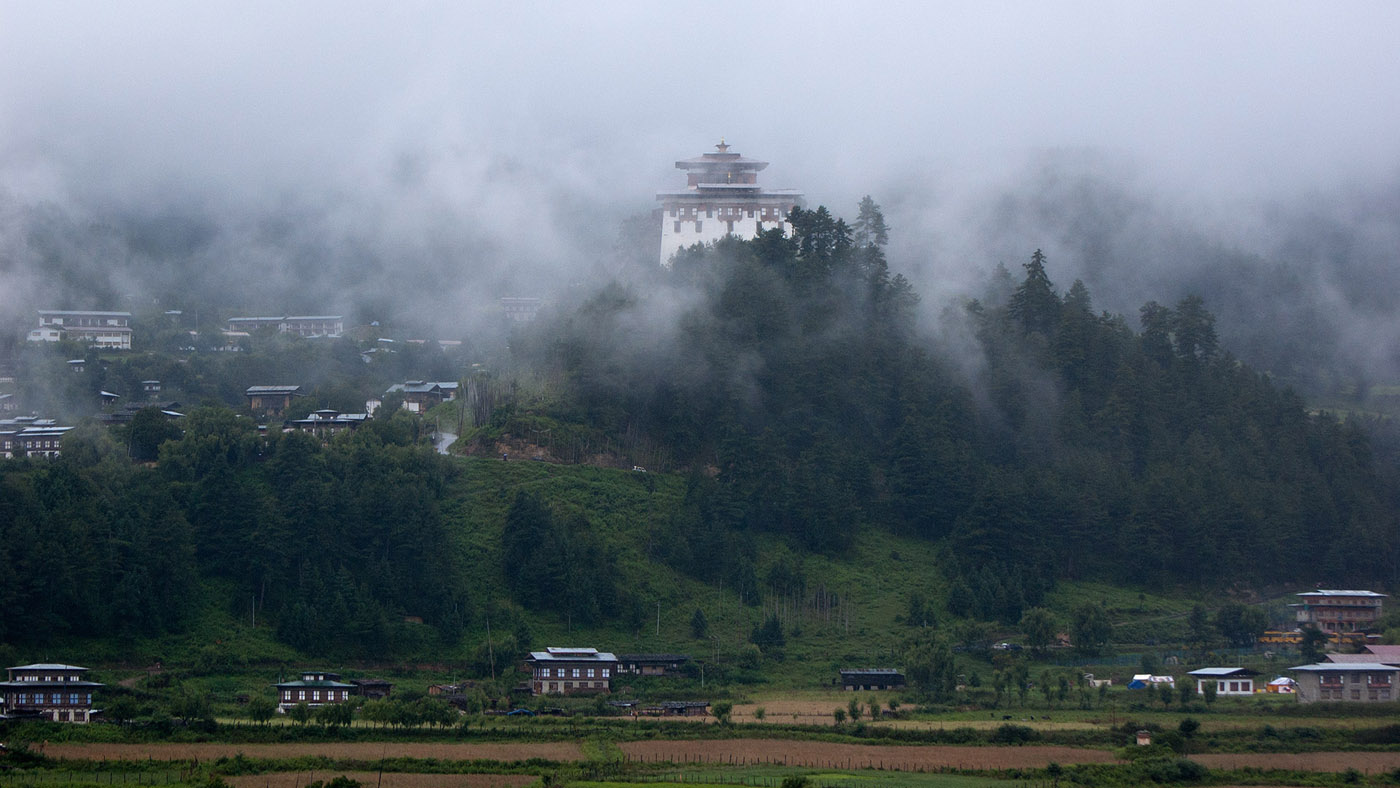
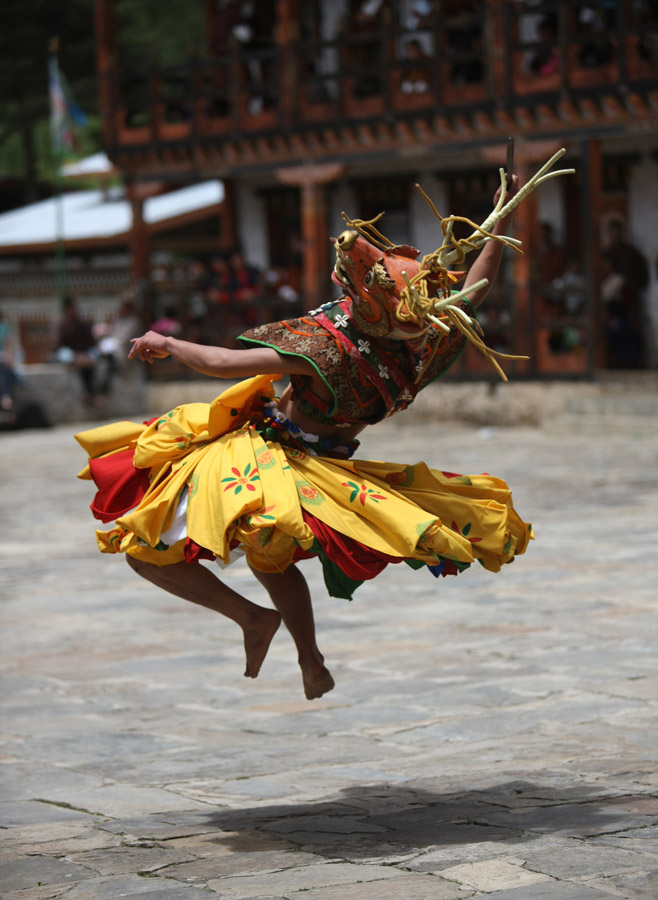
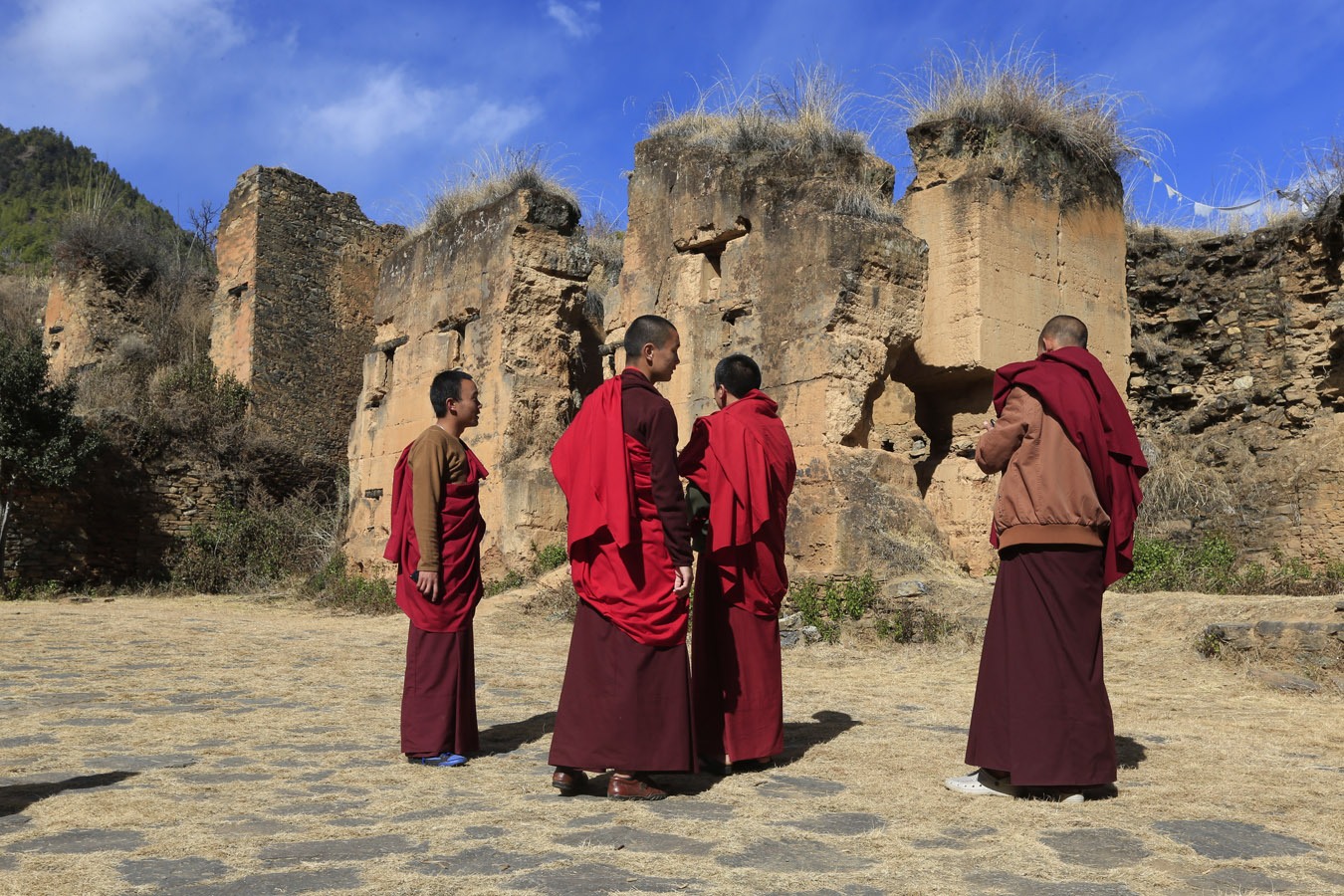
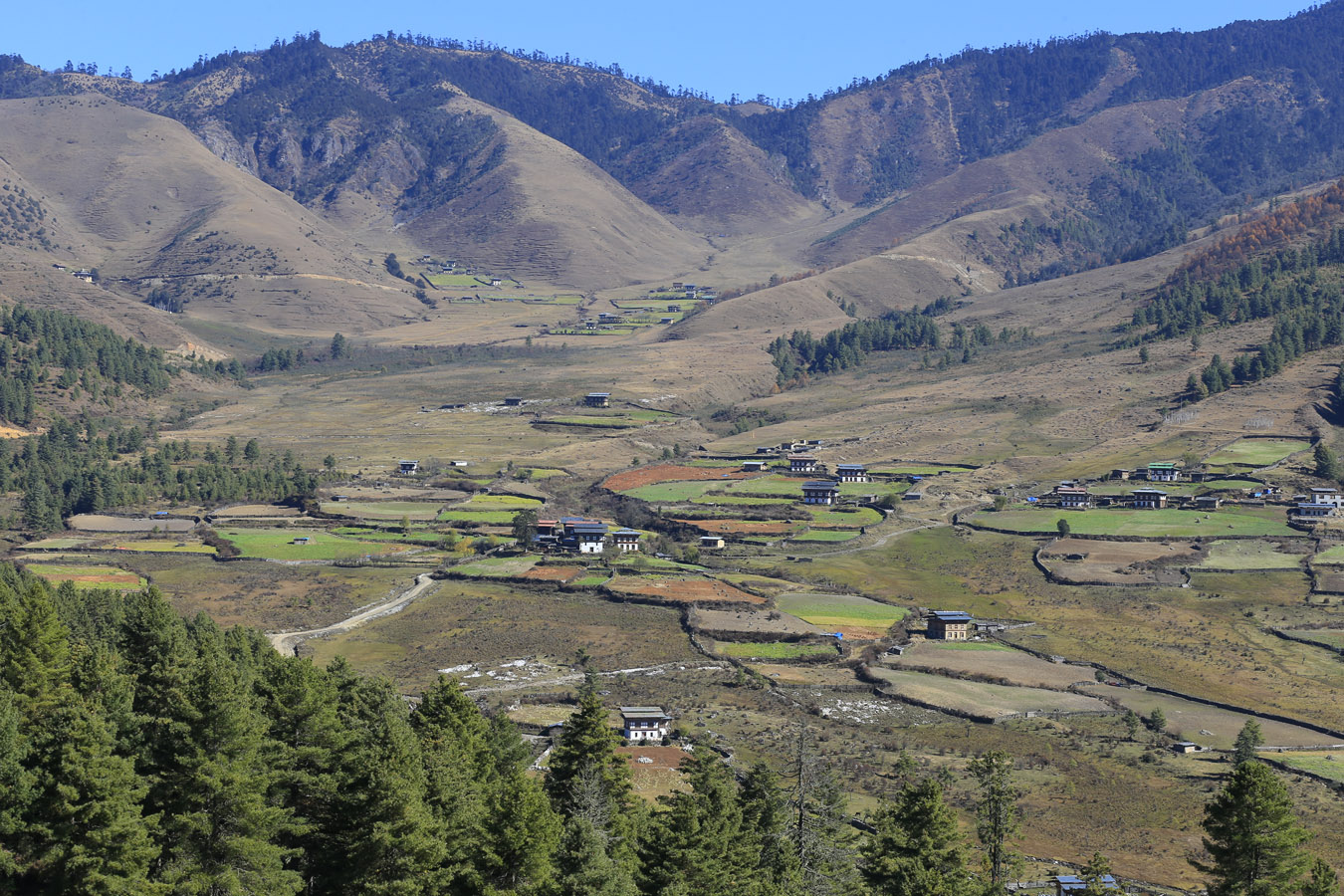
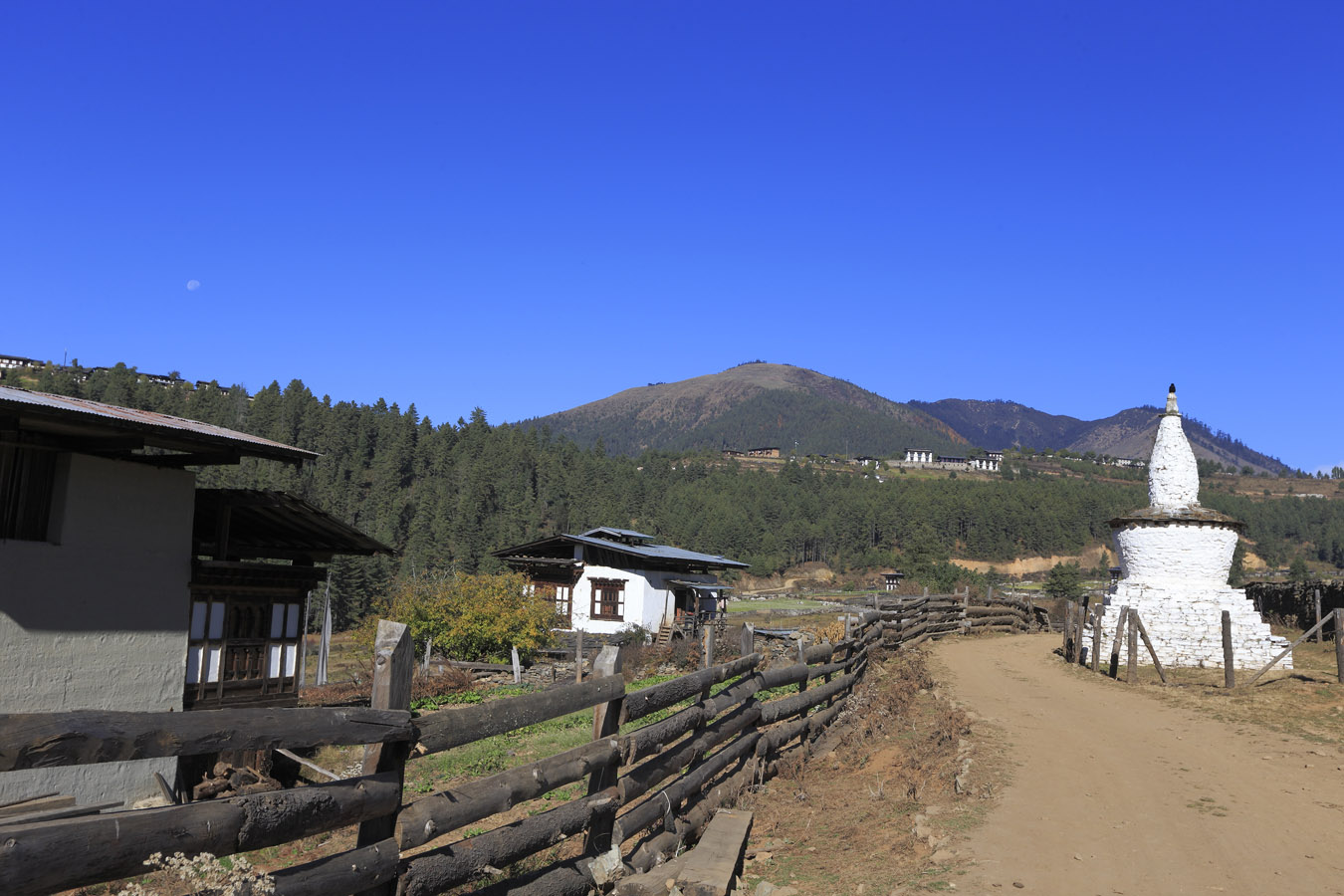
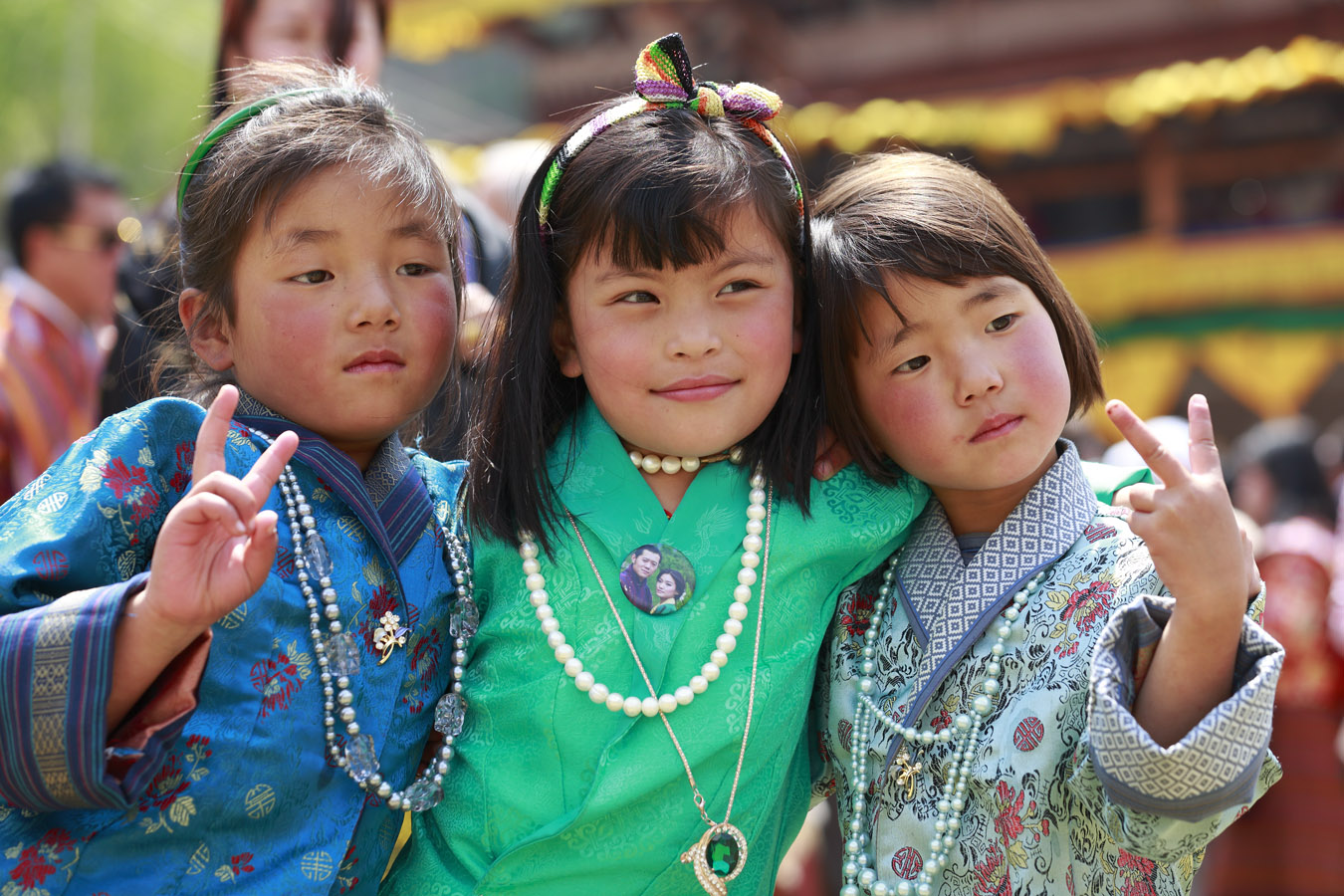
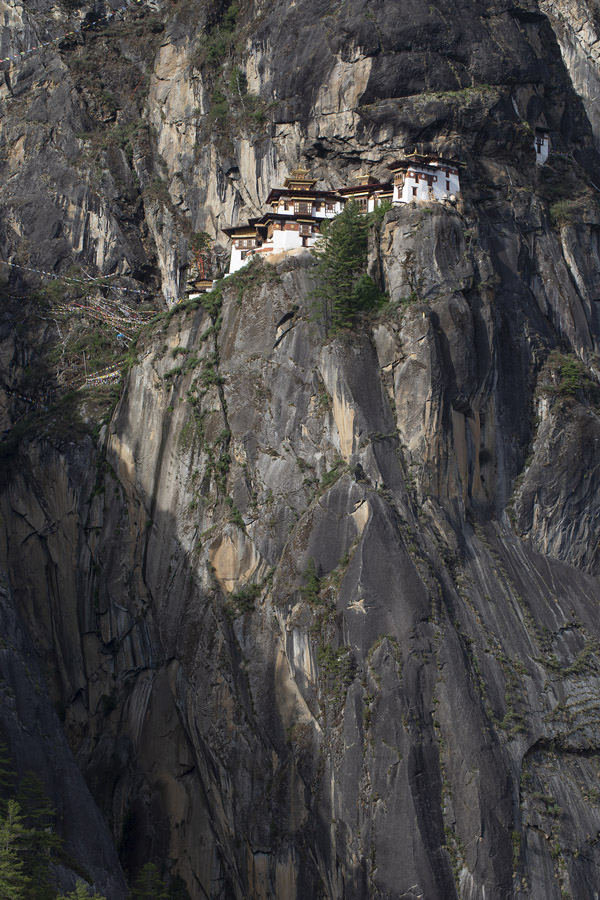
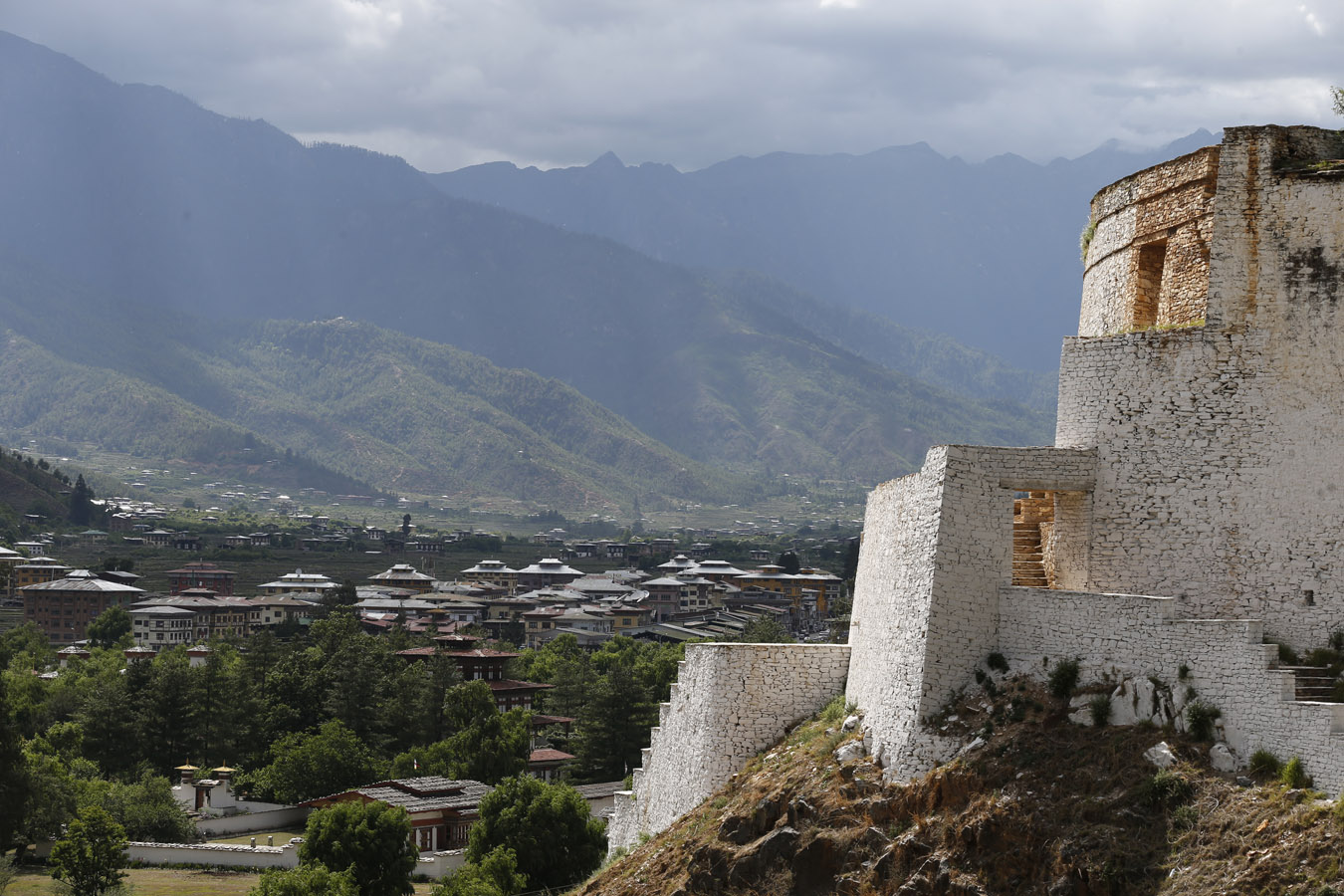
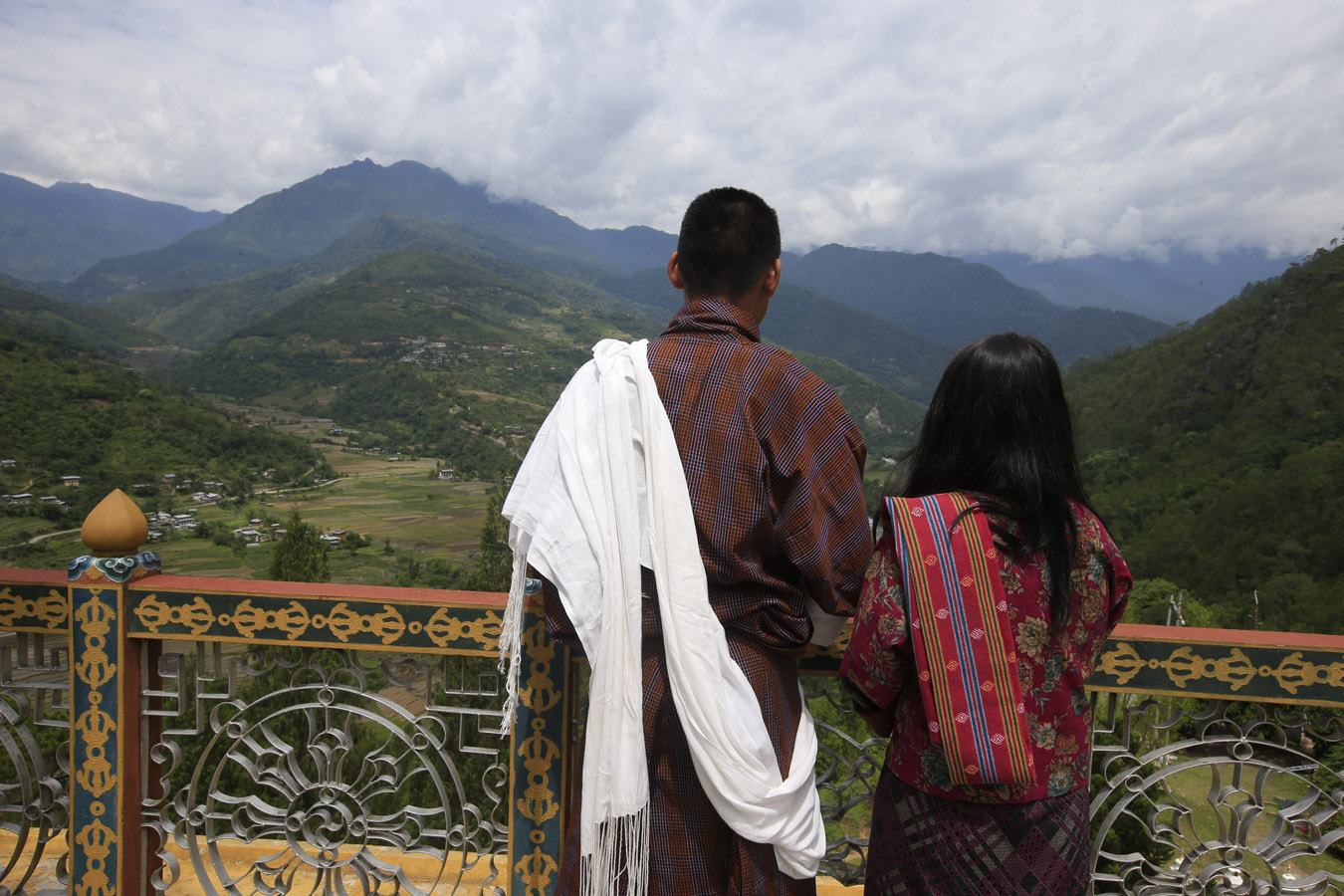
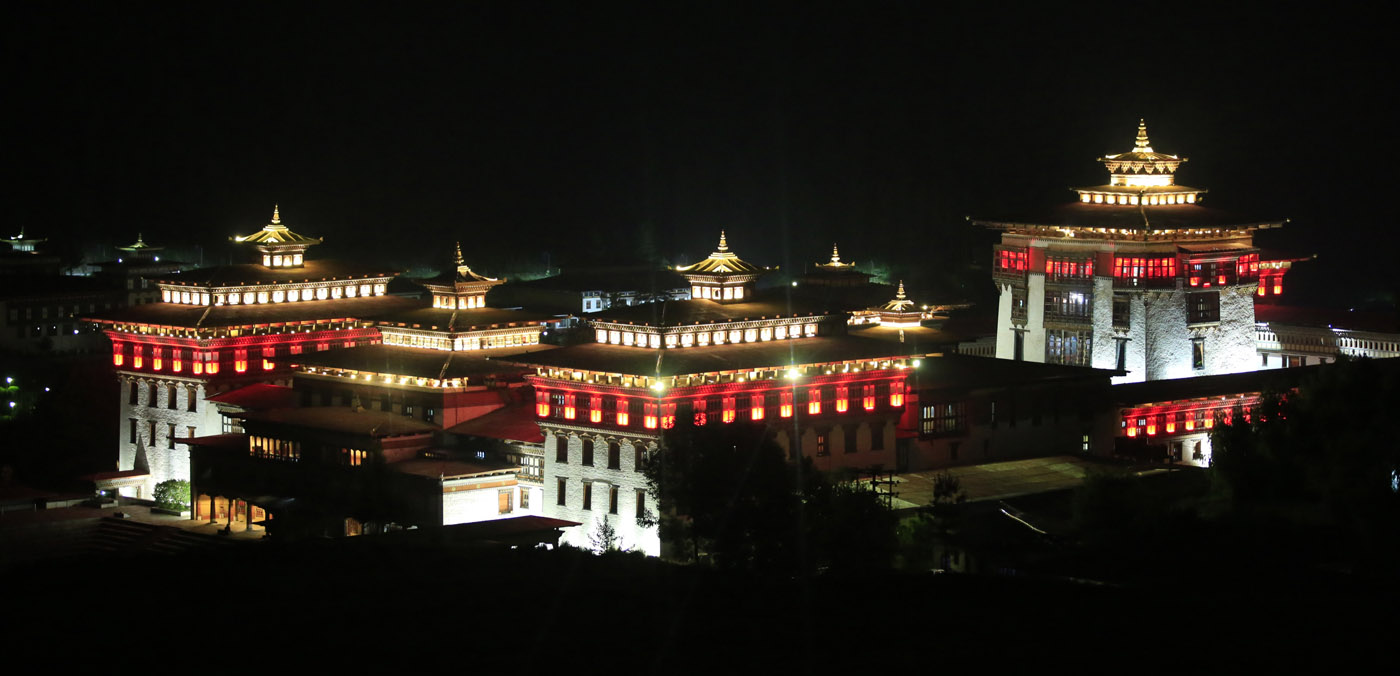
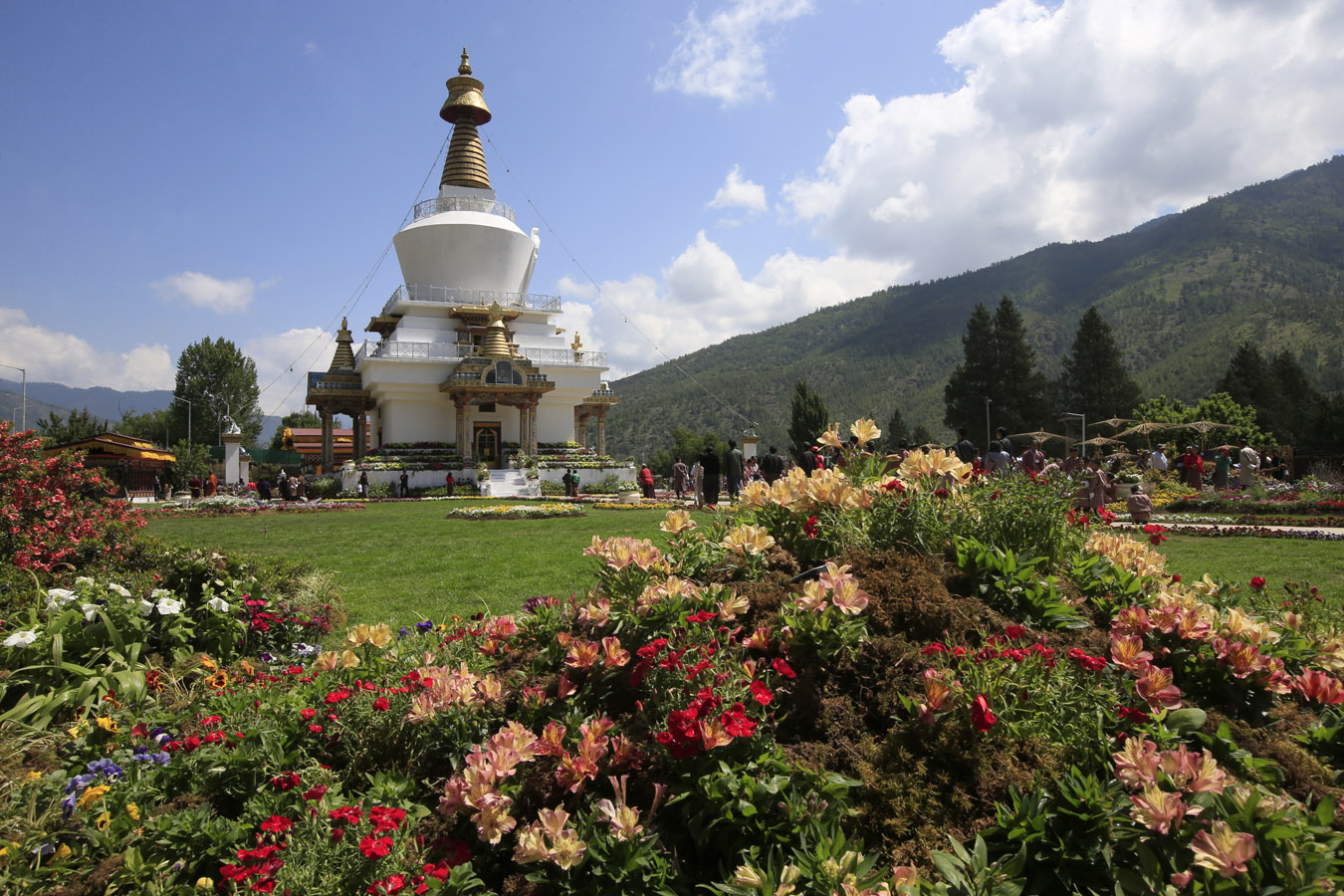
Bhutan is no ordinary place. It is relatively unexplored and untouched destination. Only a few fortunate tourists visit the stunning country Bhutan, having amazing remarkable culture, mountainous landscape, ancient monasteries, incredible fortress like Dzongs, colorful religious dance festivals, outrageous archery competitions, specular trekking trails, stunning flora and fauna. When you are in Bhutan, you imagine yourself catapulted hundreds of years back. Bhutan has limited number of travelers in order to preserve its culture. It is an amply modern country yet medieval with one foot still rooted in its past.
Kingdom of Bhutan is known as the last “Shangri-La” on earth, one of the most unique countries in the world. Bhutan has been hidden from the outside world for centuries and it has only been open to the outside world just 3 decades ago therefore it has so many unique facts which is unknown to the outside world.
Bhutan is a country like no other. It is a journey of your life time, an experience that you will never forget, a vacation that you will cherish forever, a memory that will never fade away. Welcome to the Living Museum. Explore the untouched natural beauty of the hidden Himalayan Kingdom with us.
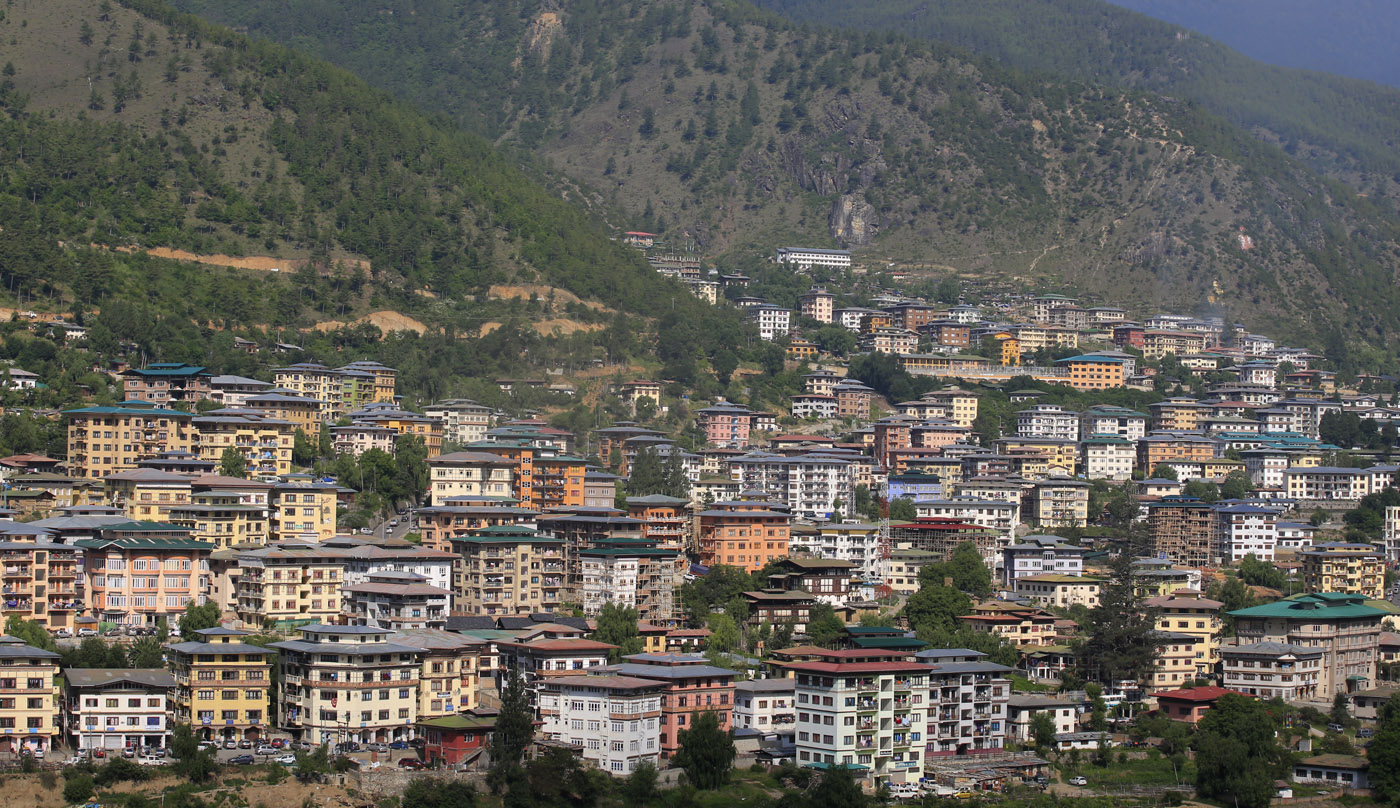
Bhutan, officially the Kingdom of Bhutan and the original name of Bhutan is Druk Yul. Bhutan was separated from the nearby state of Nepal to the west by the Indian state of Sikkim, and from Bangladesh to the south by West Bengal. The capital city is Thimphu.
For more information, please visit:

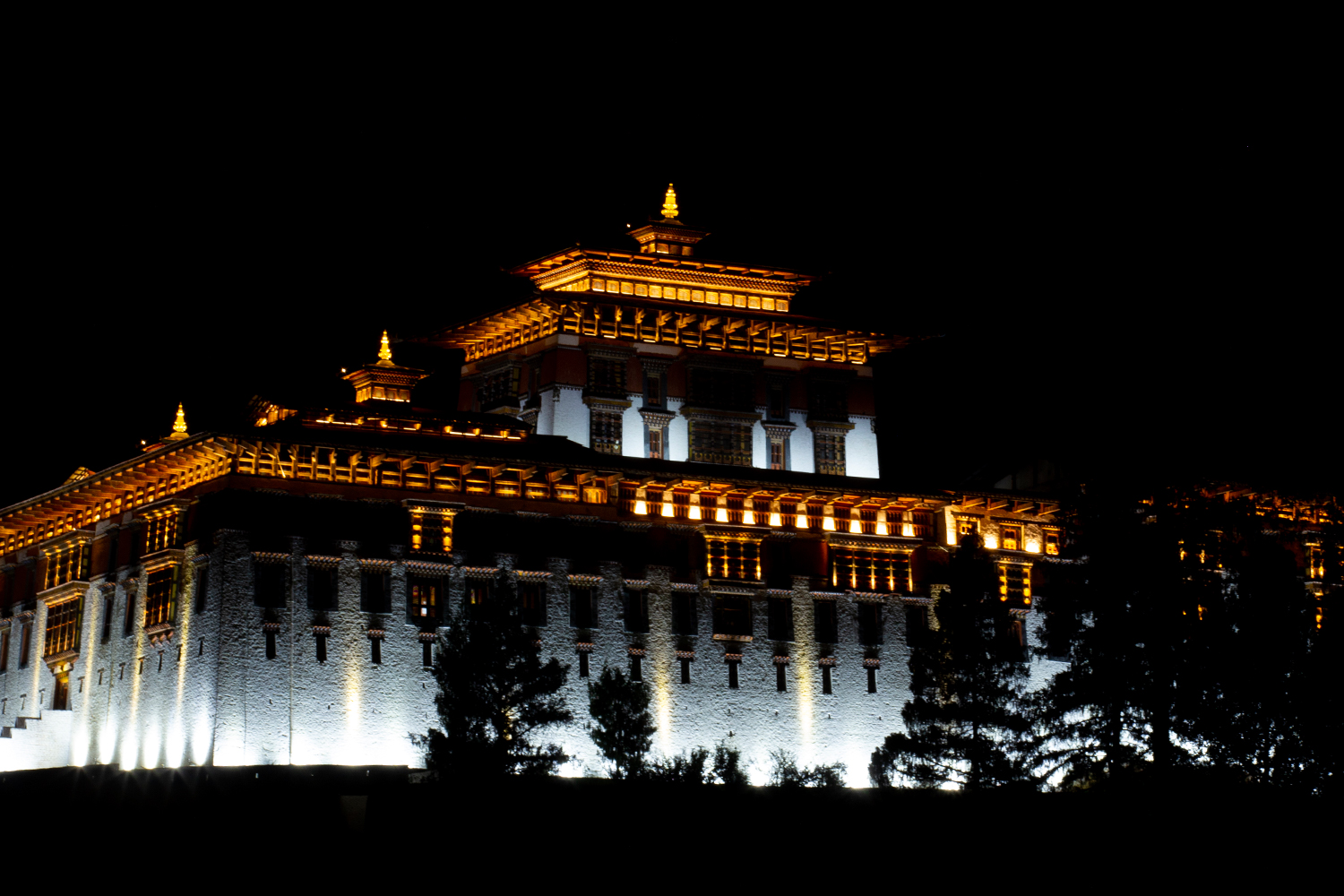
4 days & 3 Nights
Weekend to Bhutan
Trip Type:Leisure
Activity Level:Mild
Service Level:Excellent
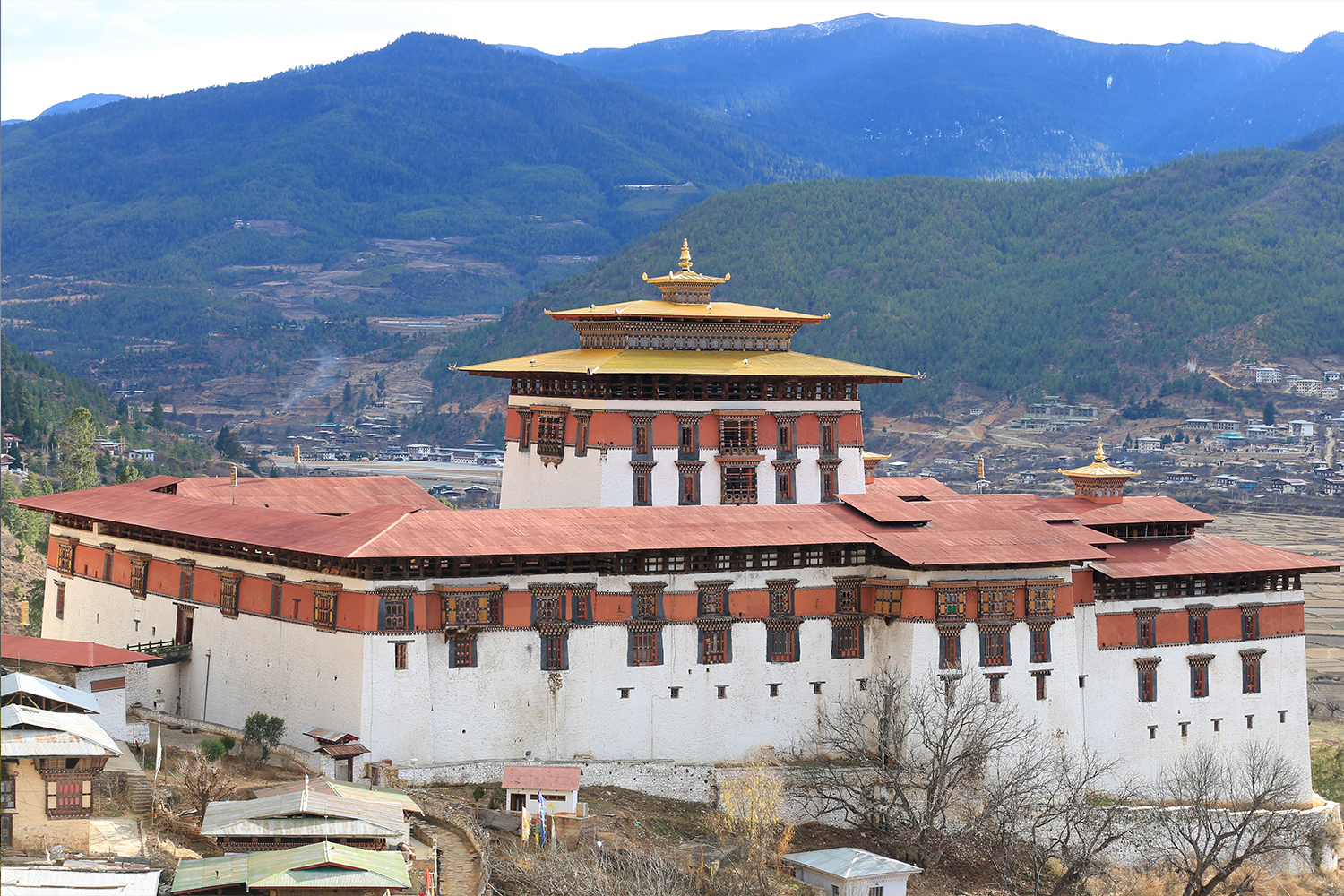
6 days & 5 Nights
Nomadic Bhutan
Trip Type:Leisure
Activity Level:Mild
Service Level:Excellent
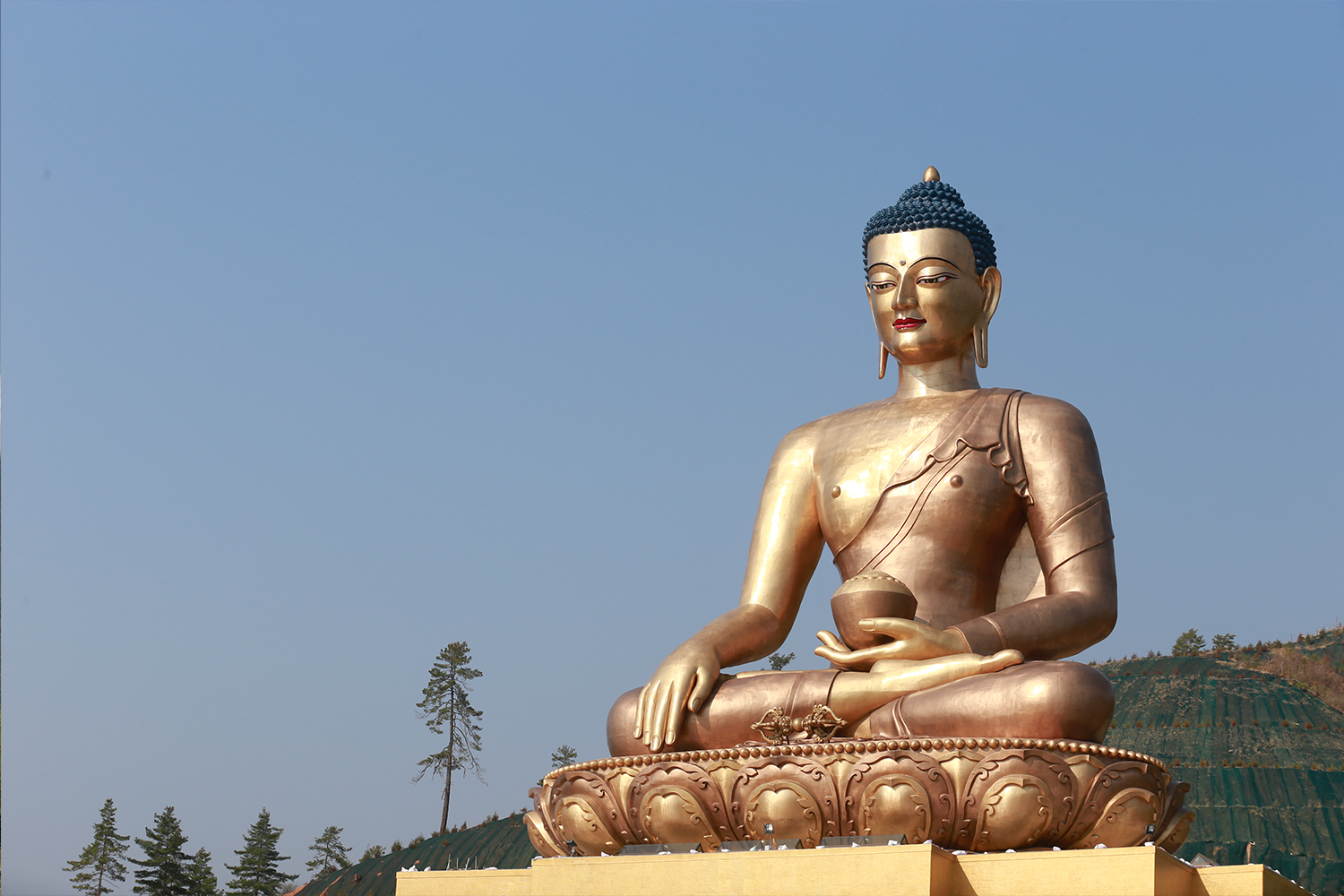
5 days & 4 Nights
Glimpse of Bhutan
Trip Type:Leisure
Activity Level:Mild
Service Level:Excellent
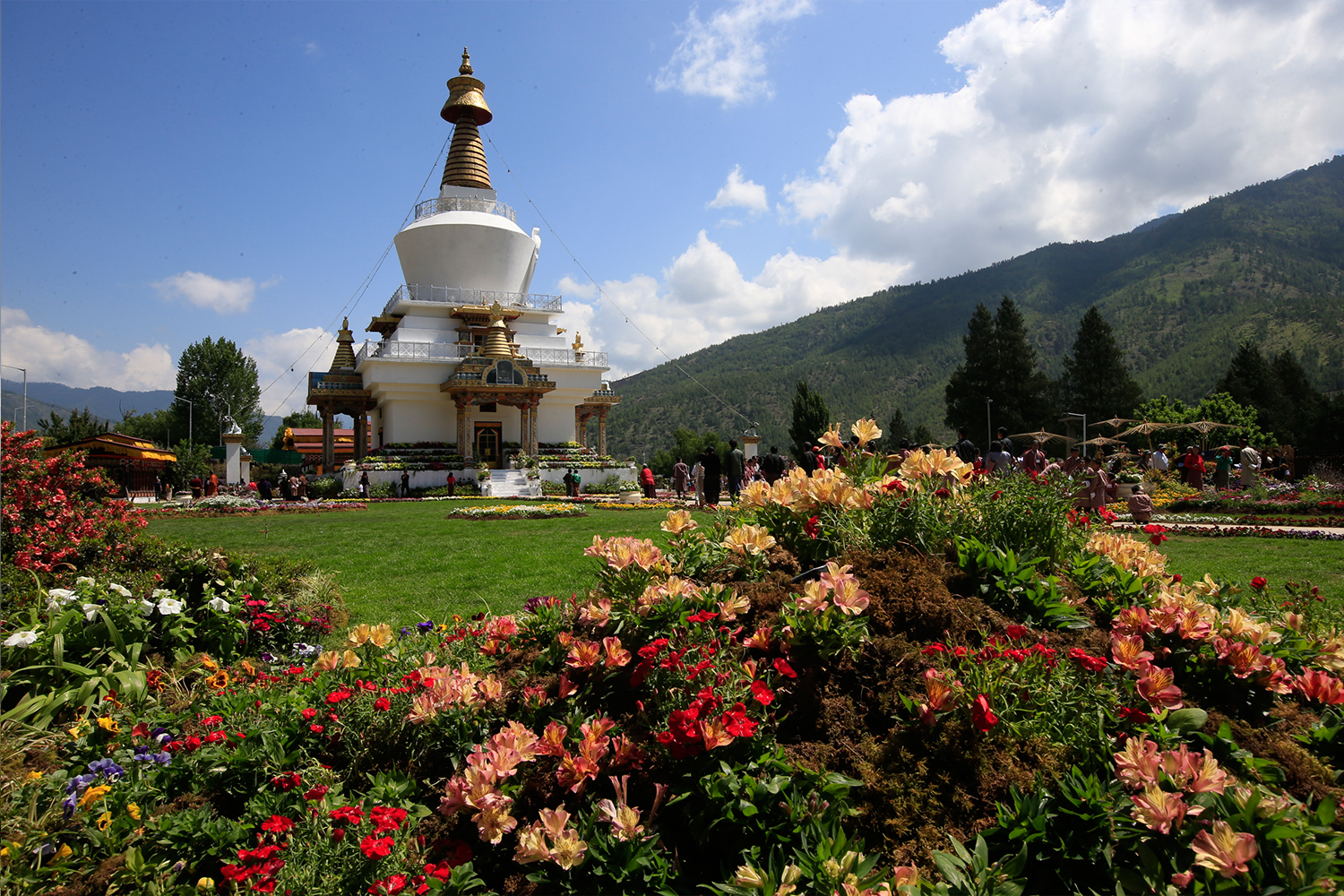
7 days & 6 Nights
Exotic Bhutan
Trip Type:Leisure
Activity Level:Mild
Service Level:Excellent
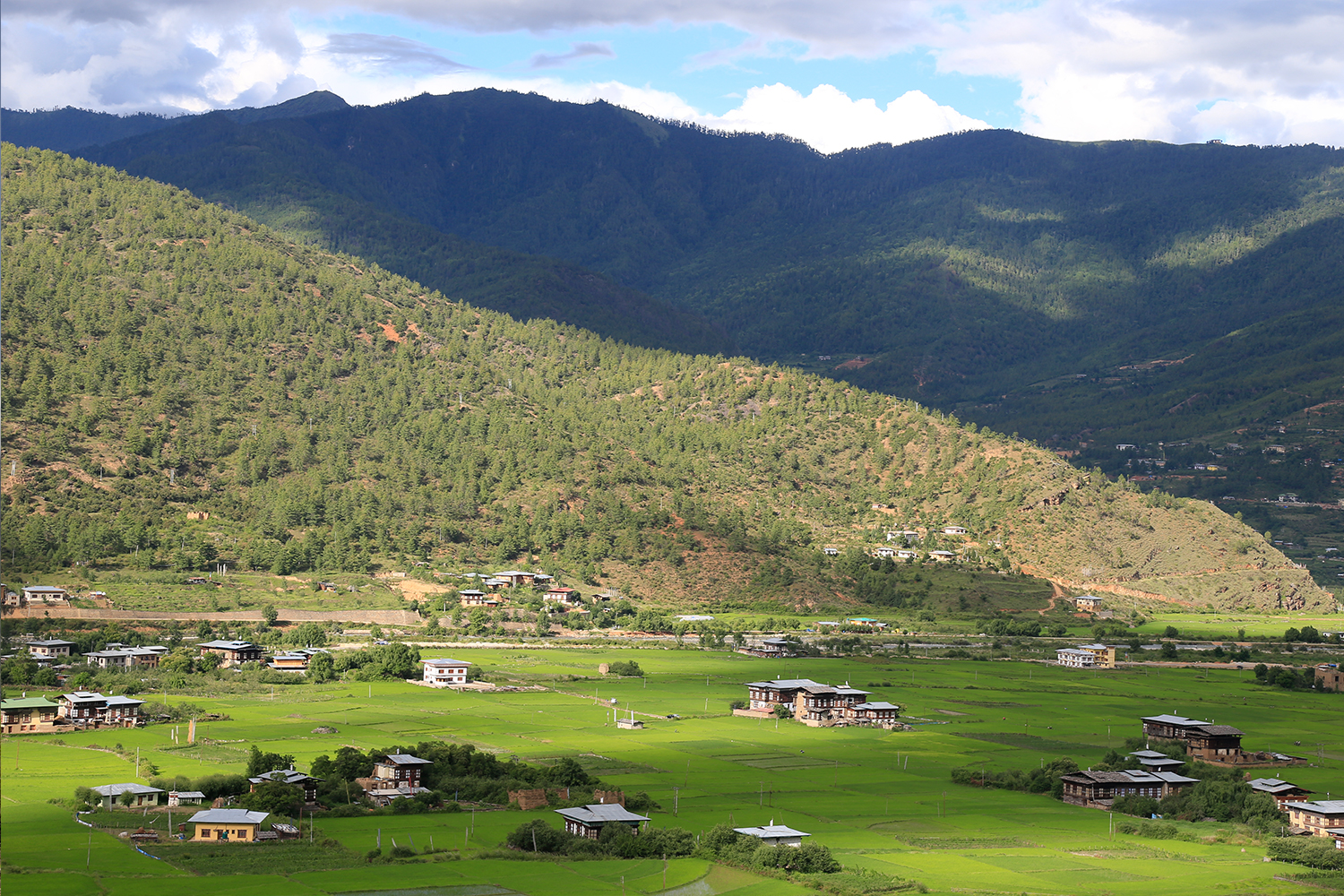
11 Days and 10 Nights
Complete Bhutan
Trip Type:Leisure
Activity Level:Mild
Service Level:Excellent
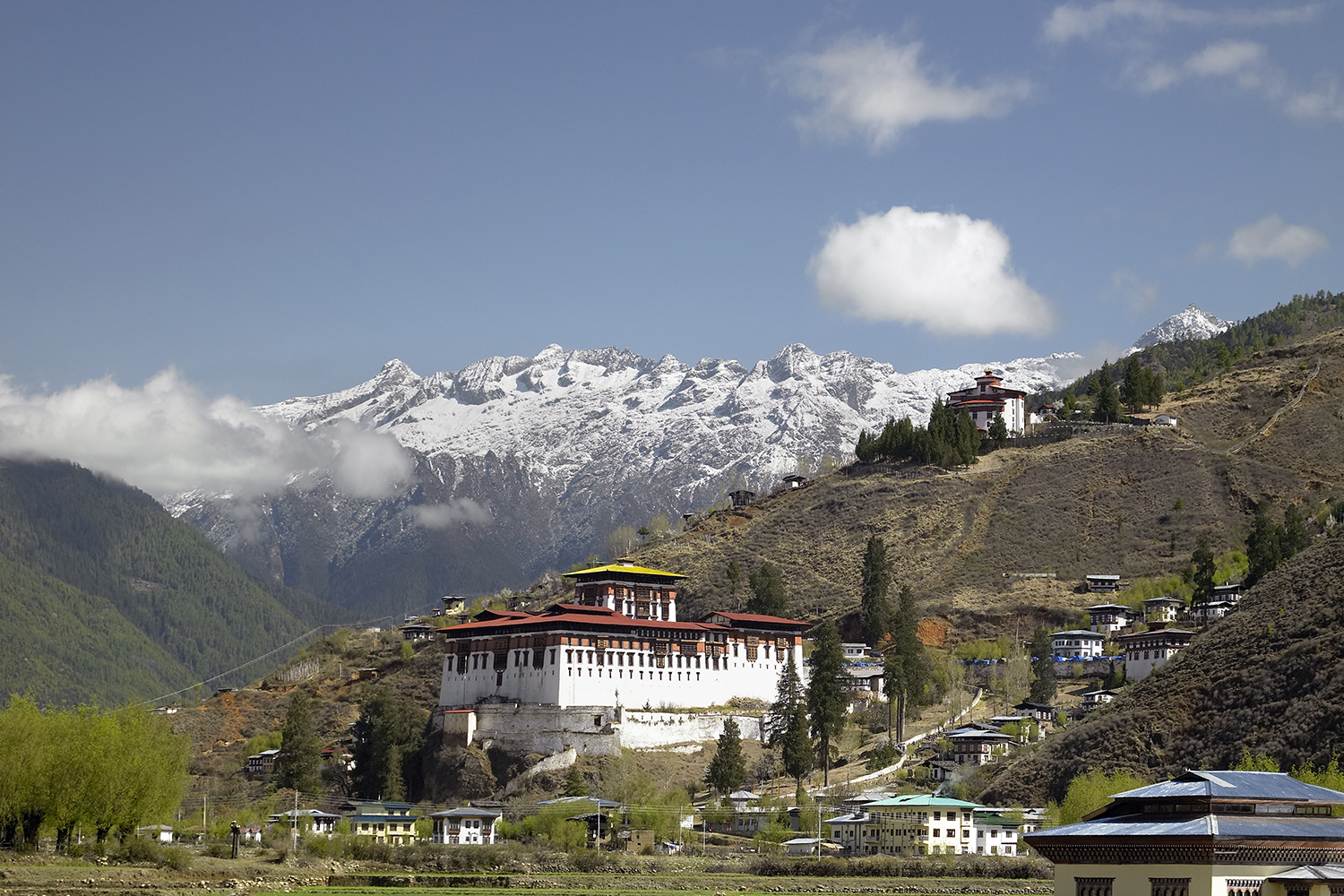
8 days & 7 Nights
Best of Bhutan
Trip Type:Leisure
Activity Level:Mild
Service Level:Excellent
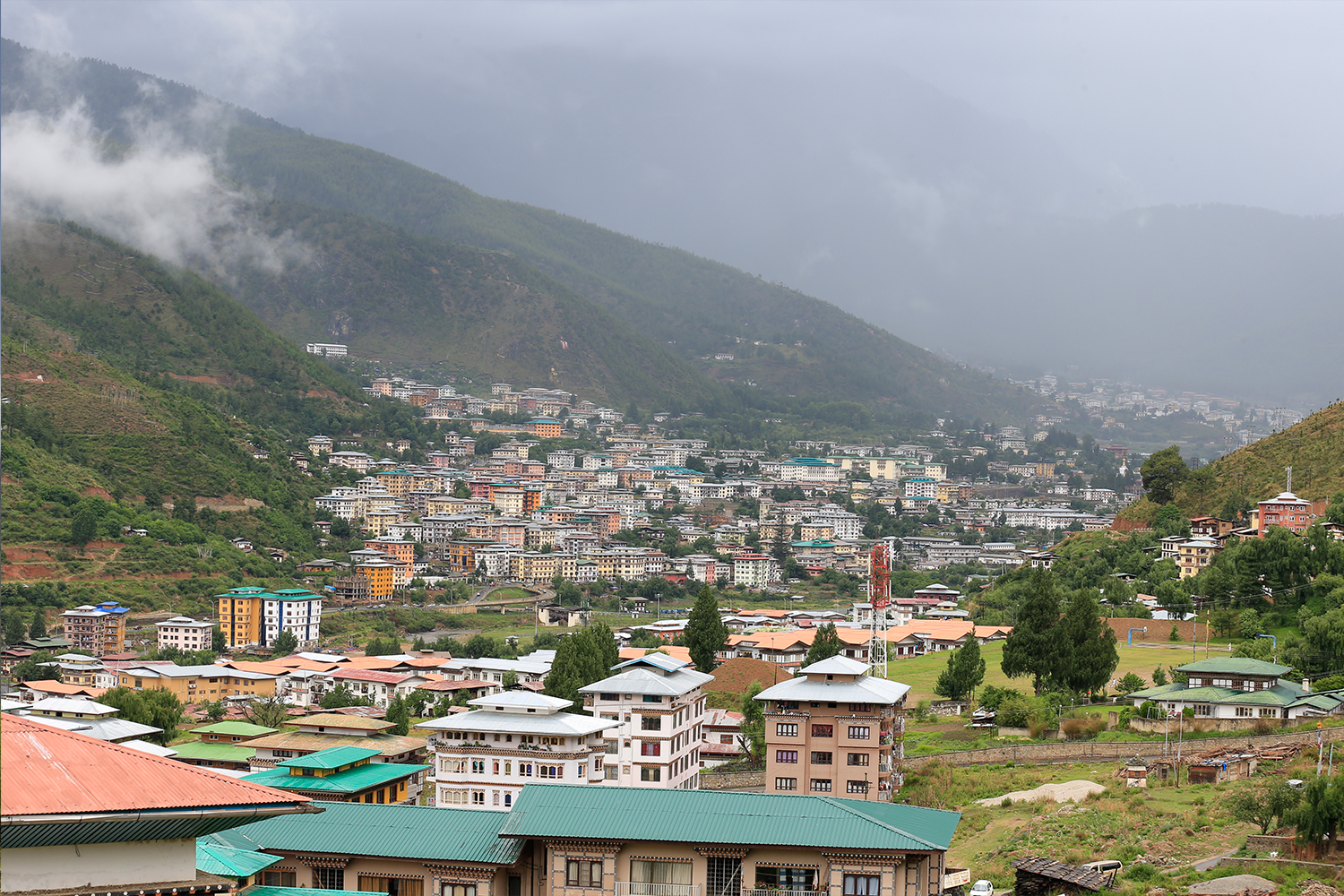
04 Days & 03 Nights
Weekend in Bhutan
Trip Type:Weekend in Bhutan
Activity Level:Normal
Service Level:Excellent
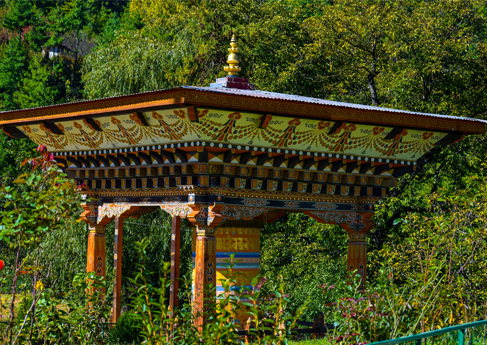
6 Days 5 Nights
Bhutan Photo Tour
Trip Type:Welcome To The Land of Thunder Dragon
Activity Level:Intermediate
Service Level:Excellent
Planning Toolkit

Best Things to Do
Explore ancient monasteries, hike scenic trails, visit fortresses, attend colourful festivals, enjoy archery, soak in hot springs, experience Bhutanese culture.

When to Visit
Visit Bhutan from March to May or September to November for clear skies, pleasant weather, festivals, trekking, and mountain views.
Best Places to Visit
Visit Thimphu, Paro, Tiger’s Nest Monastery, Punakha, Bumthang for monasteries, valleys, culture, festivals, and breathtaking Himalayan scenery.

Visa Requirements
Visa Requirements and procedures are always different and it’s updated from time to time. Try to apply for your Visa from the Official Government website for the particular Country.
For more information click here
https://www.outlandertravels.com/bhutan/
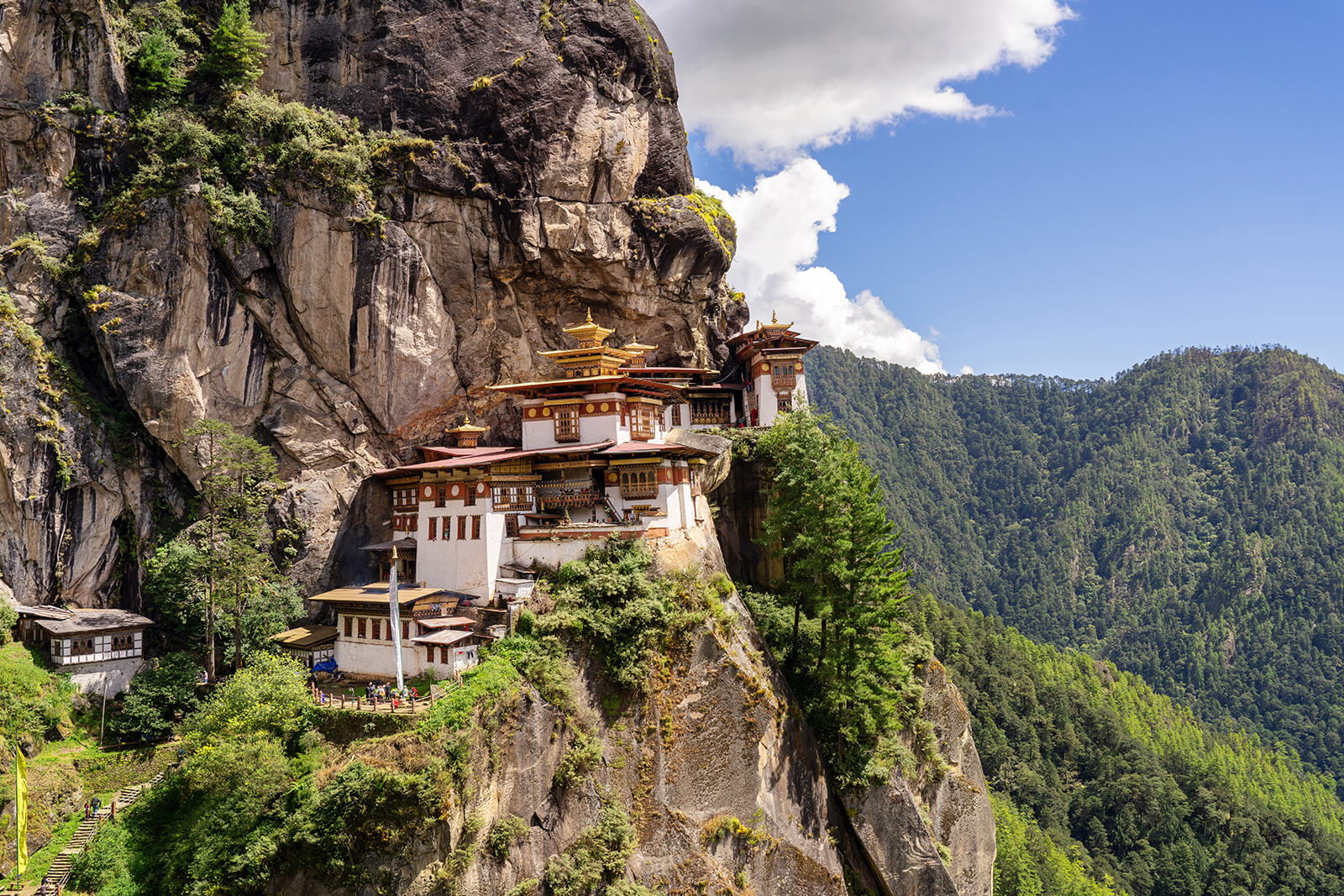
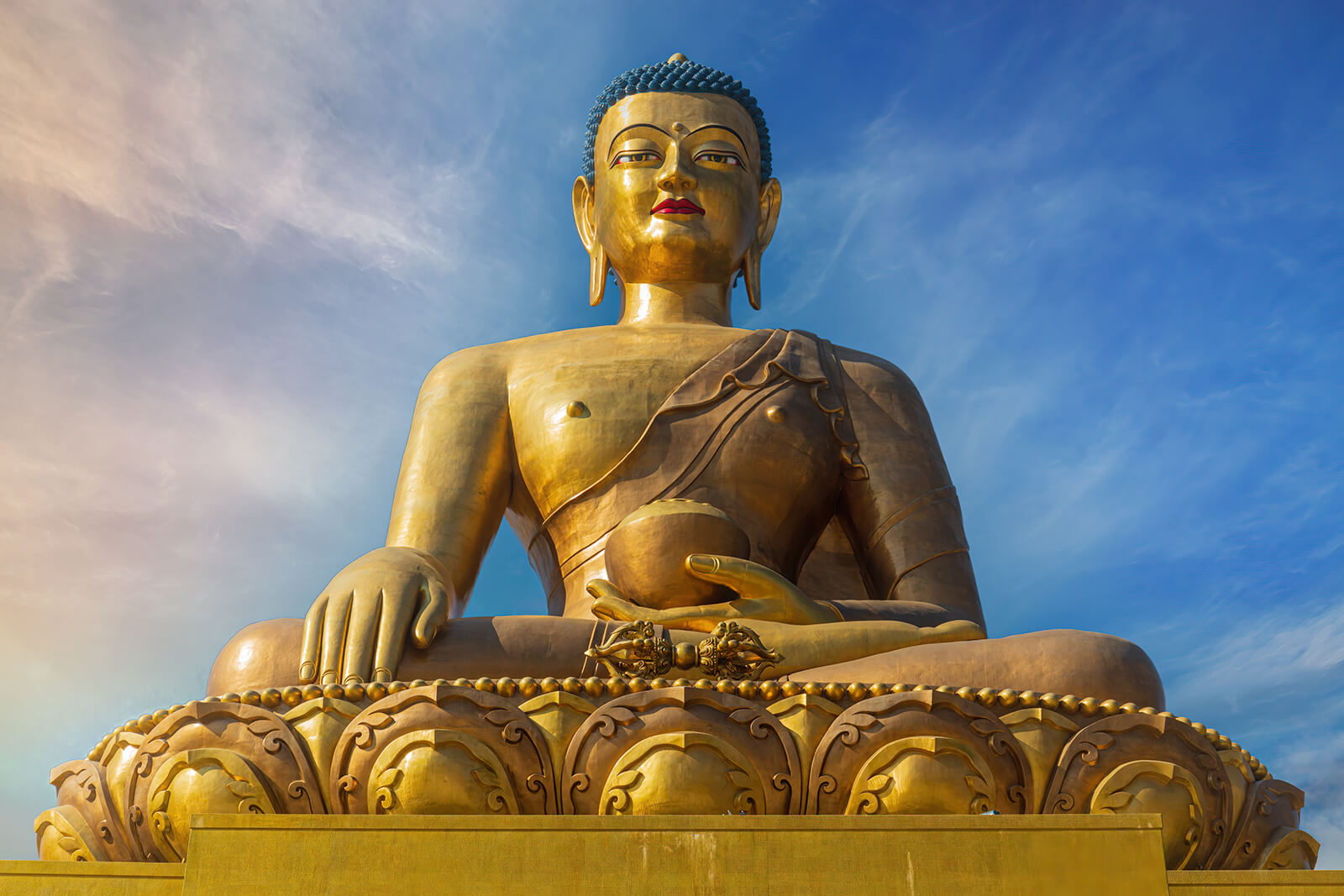
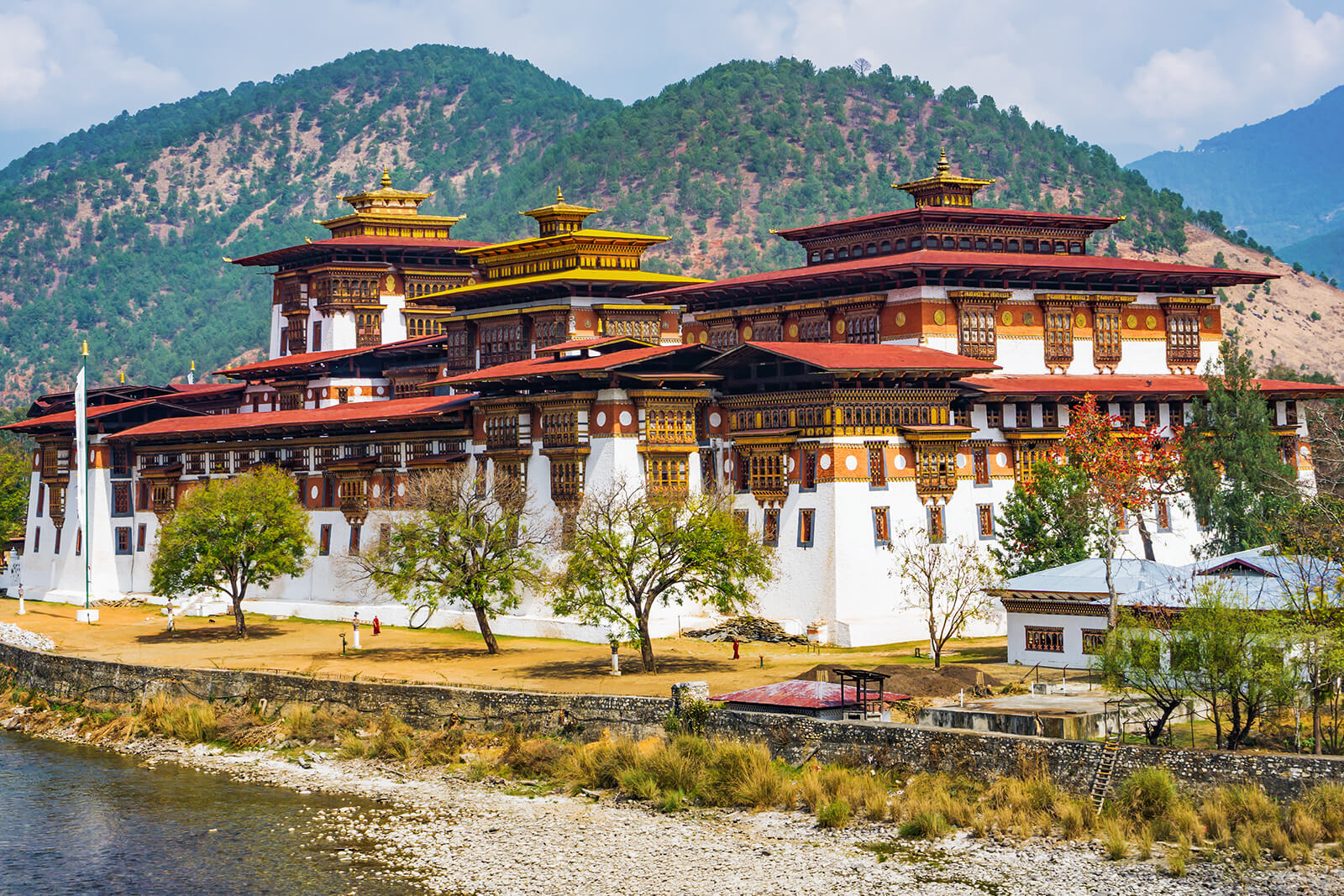
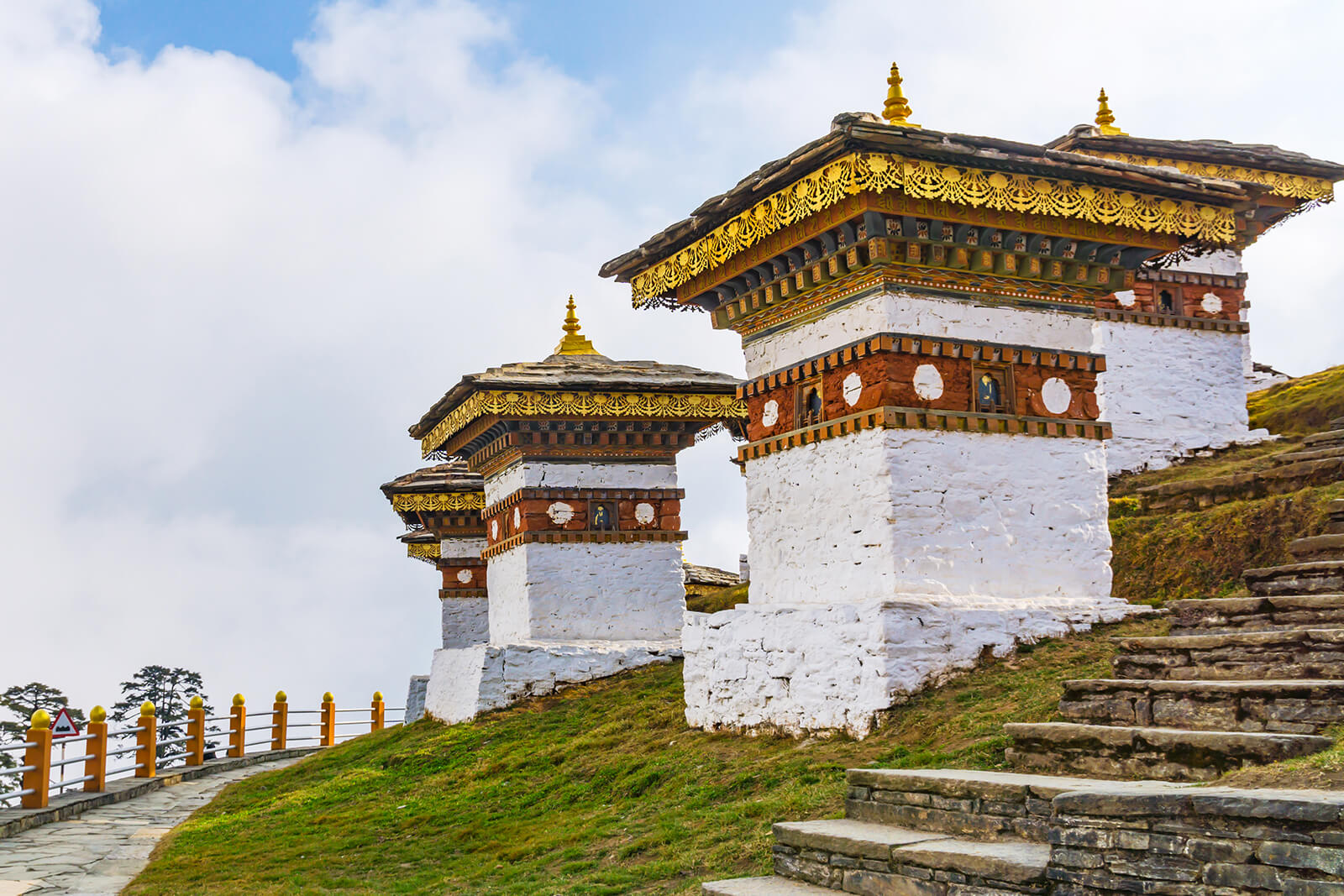
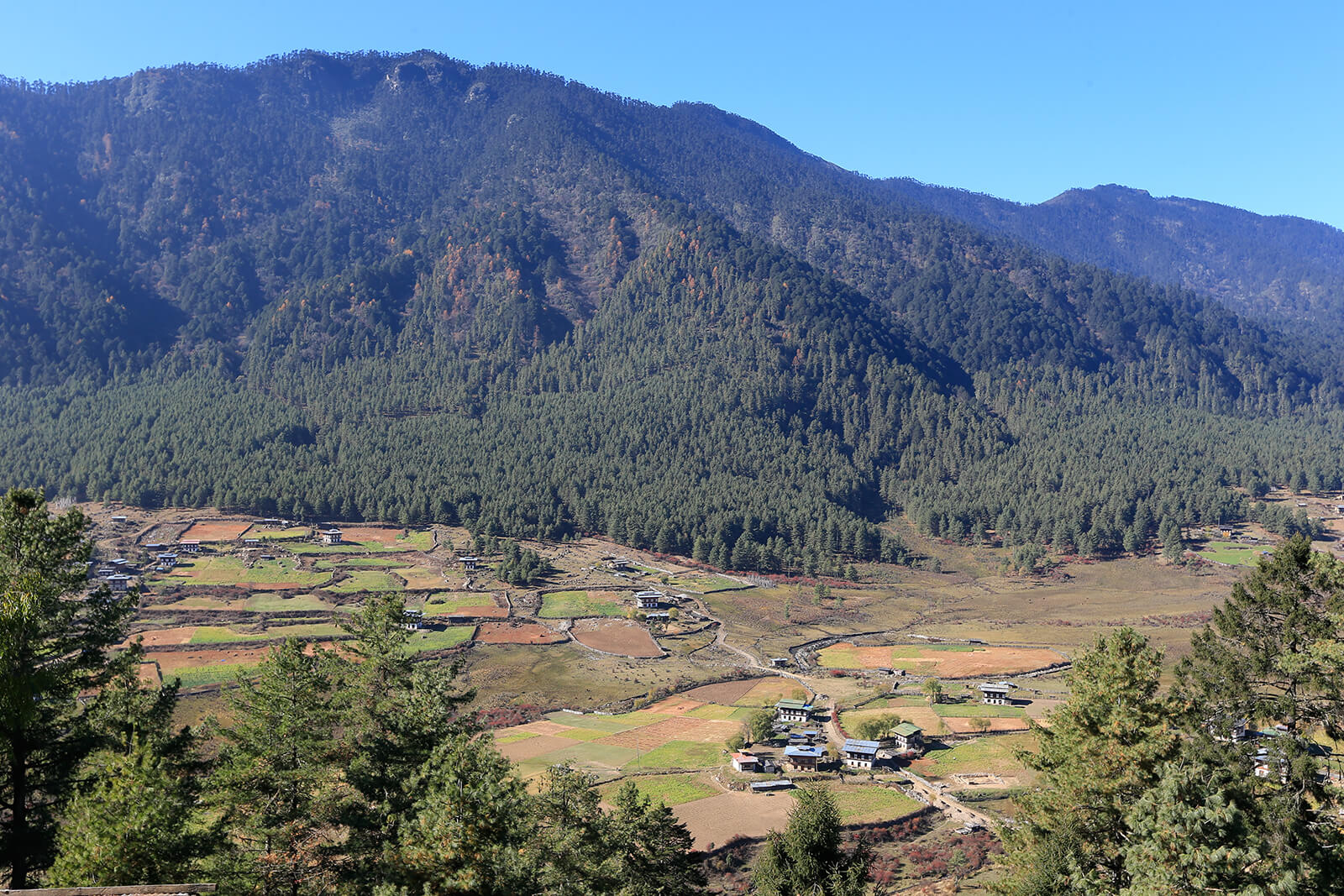
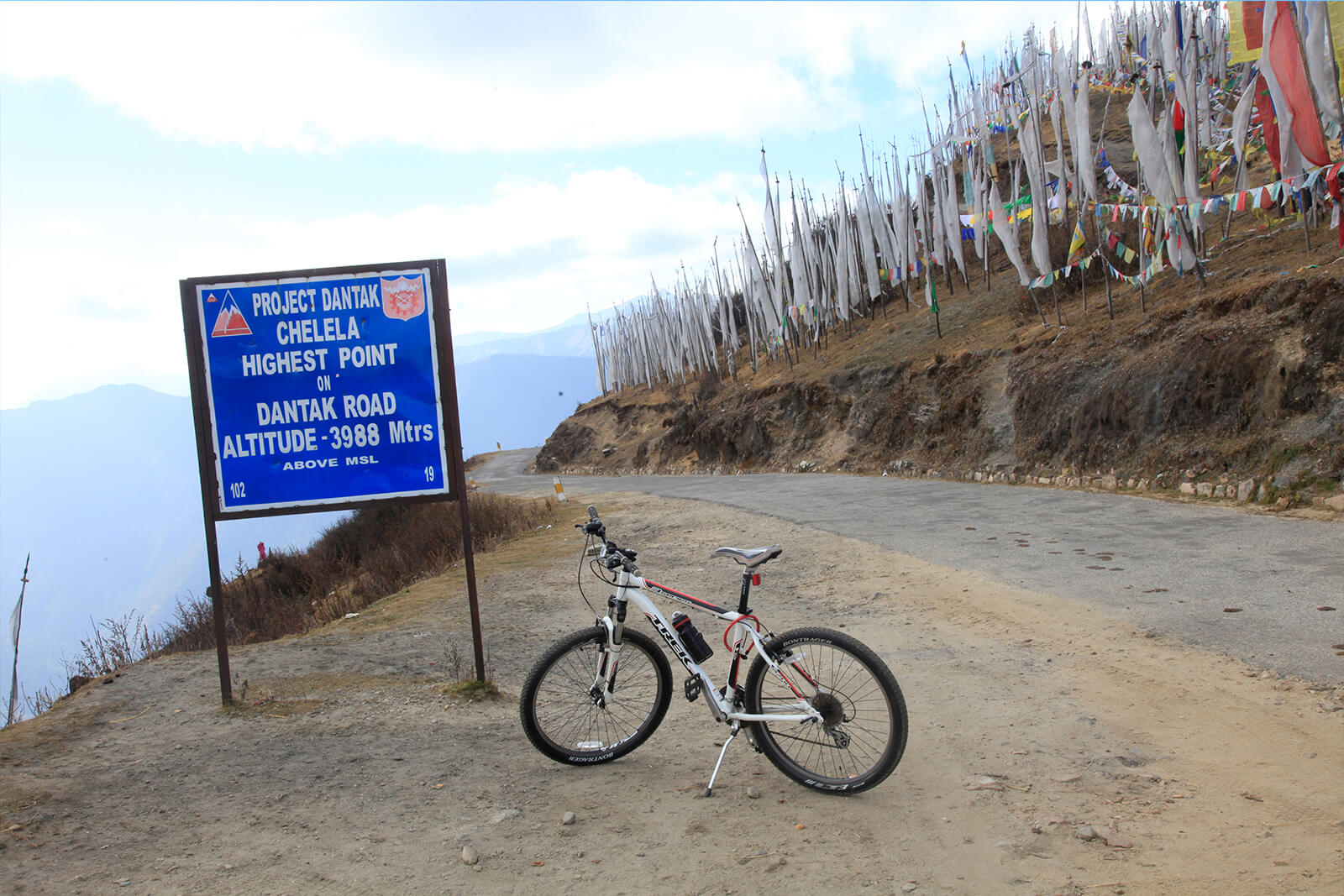
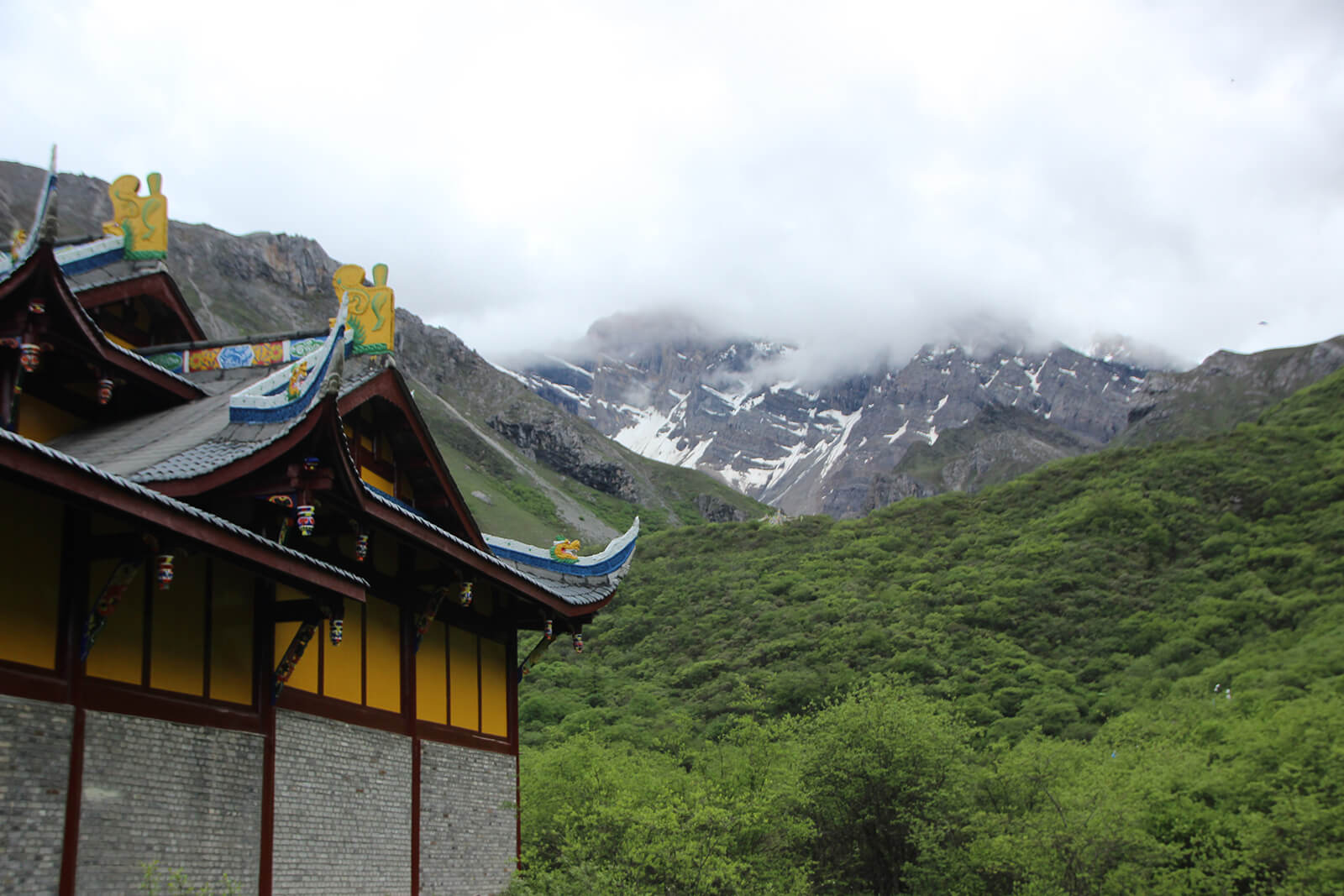
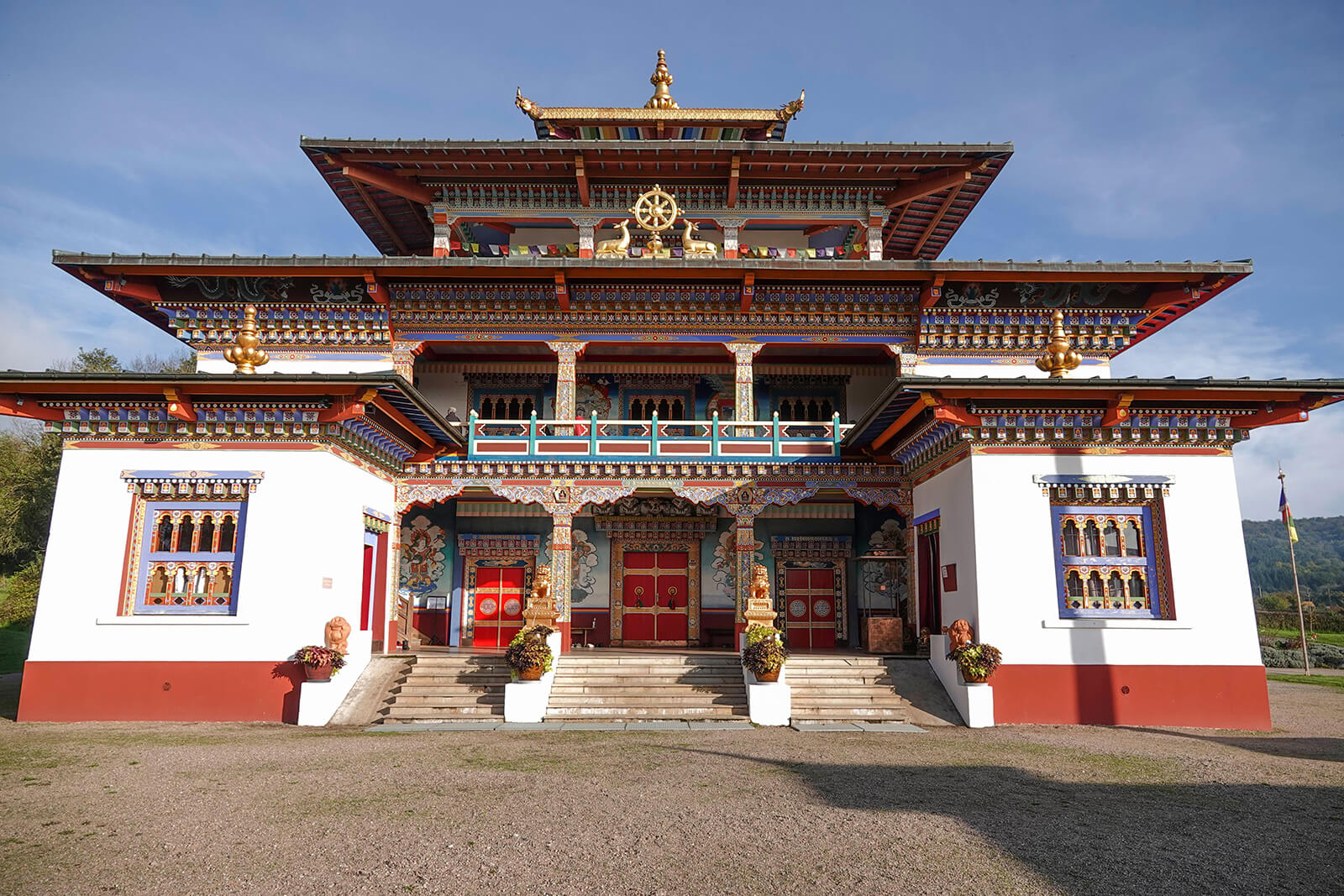
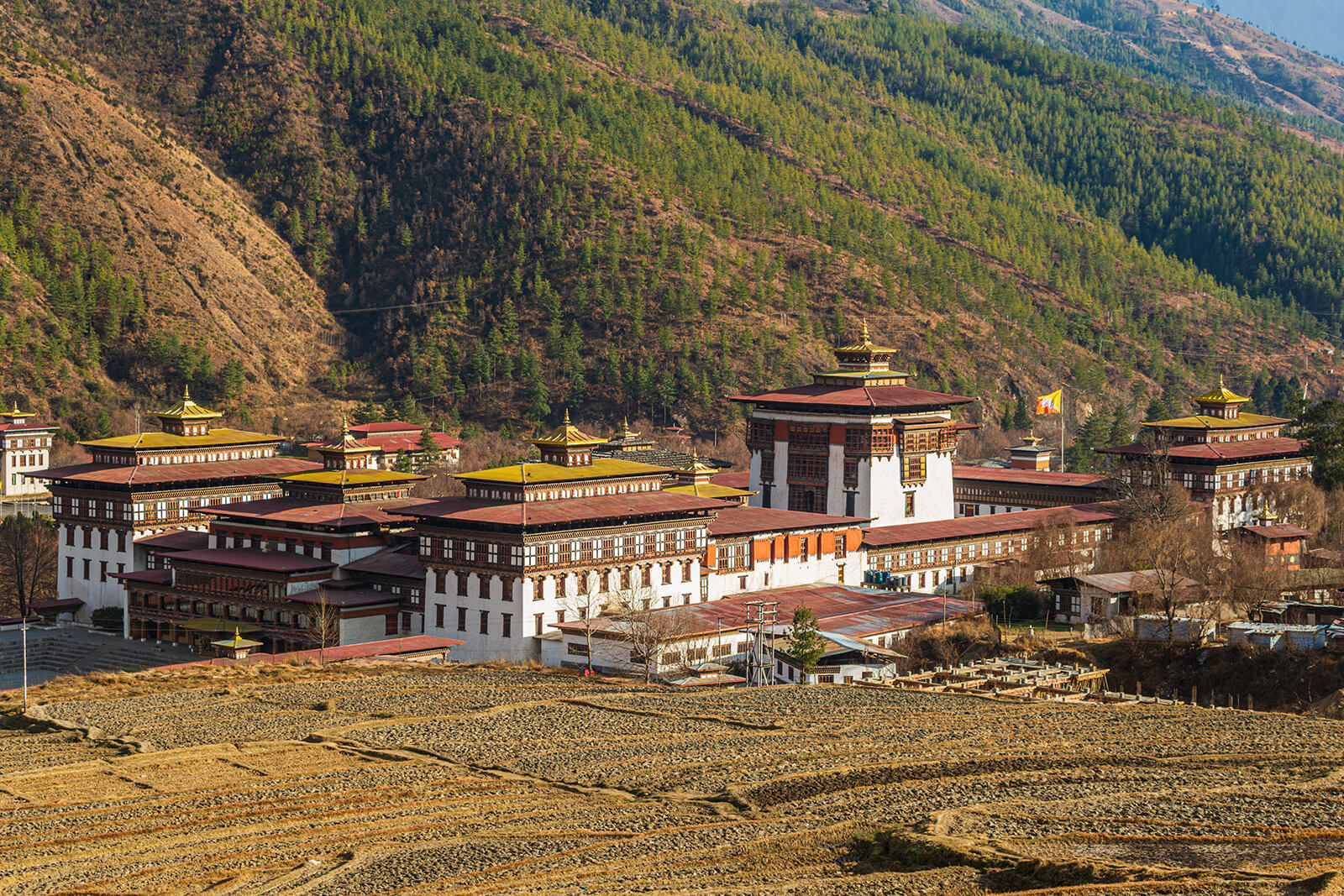
Top attractions in Bhutan
Featured Videos
Traveler's Gallery
You may also like
15 Days / 14 Nights
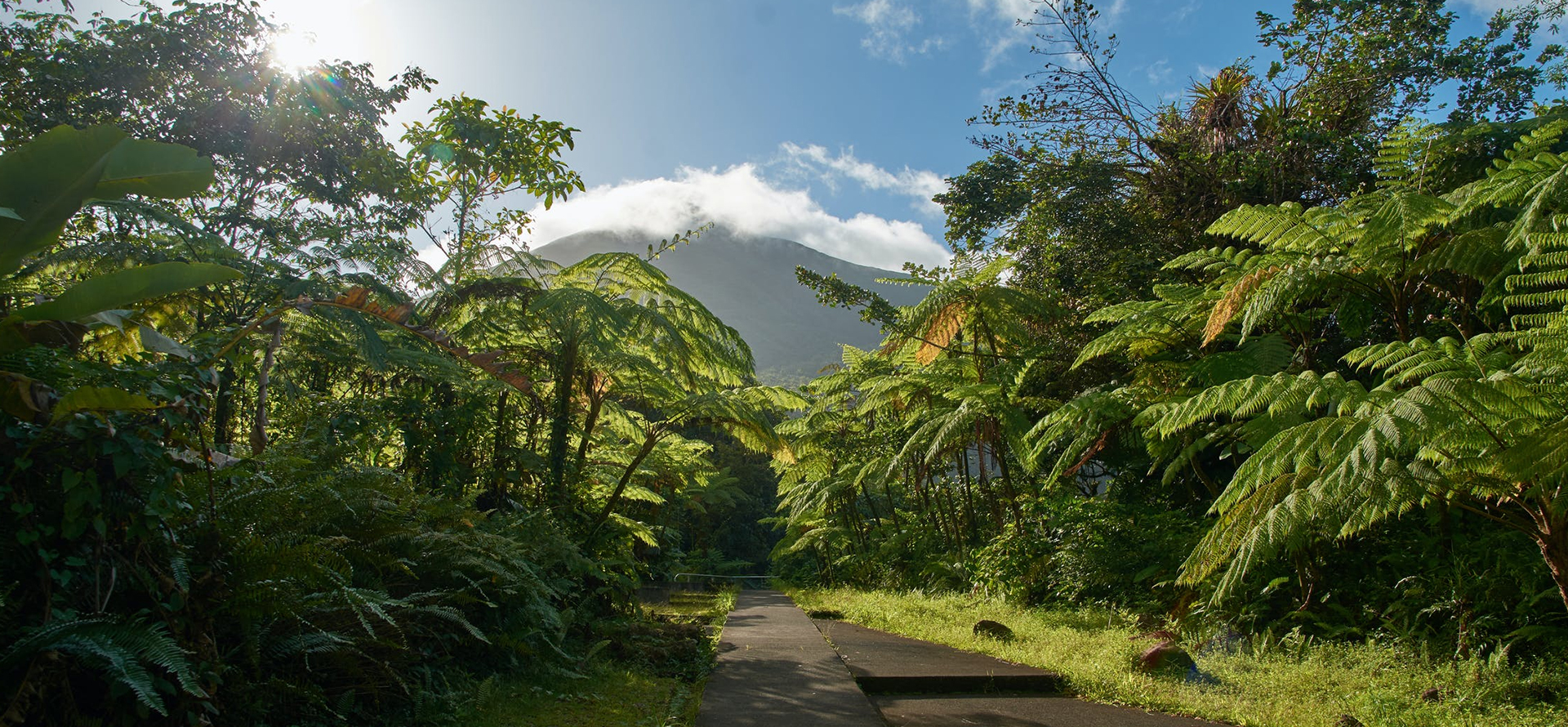
Arunachal Tour
Trip Type:Adventure, Cultural, Tribal, Nature
Activity Level:High
Service Level:Premium
5 Nights and 6 Days
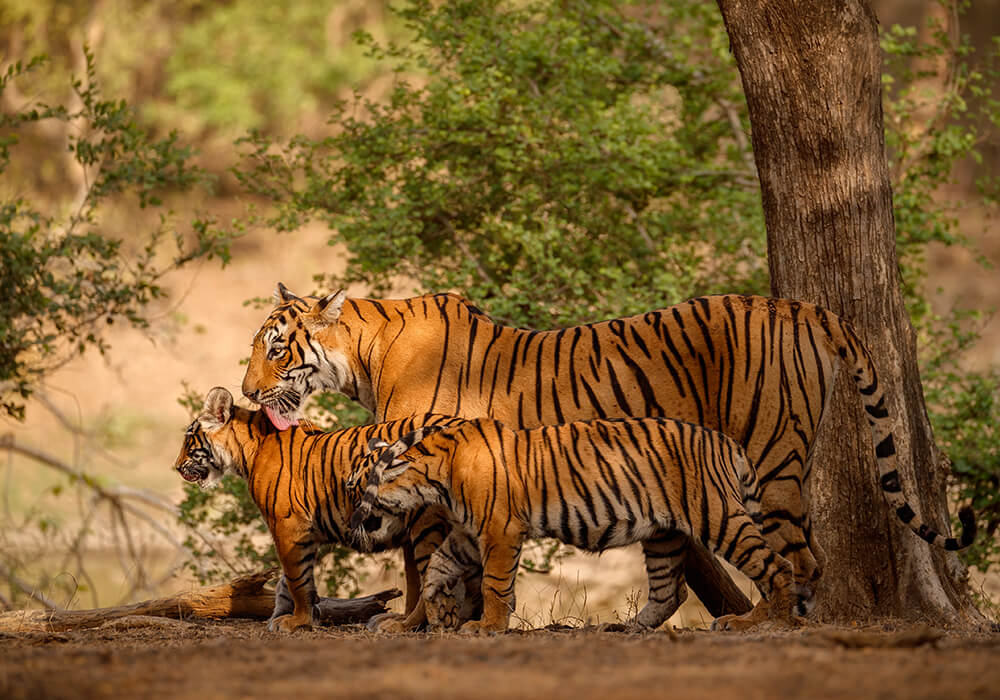
Buxa tiger reserve (Buxa, Jayanti, Buxa hills) bird photograhy trip
Trip Type:Bird Photography, Wildlife, Nature
Activity Level:Moderate
Service Level:Premium
5 Days and 4 Nights
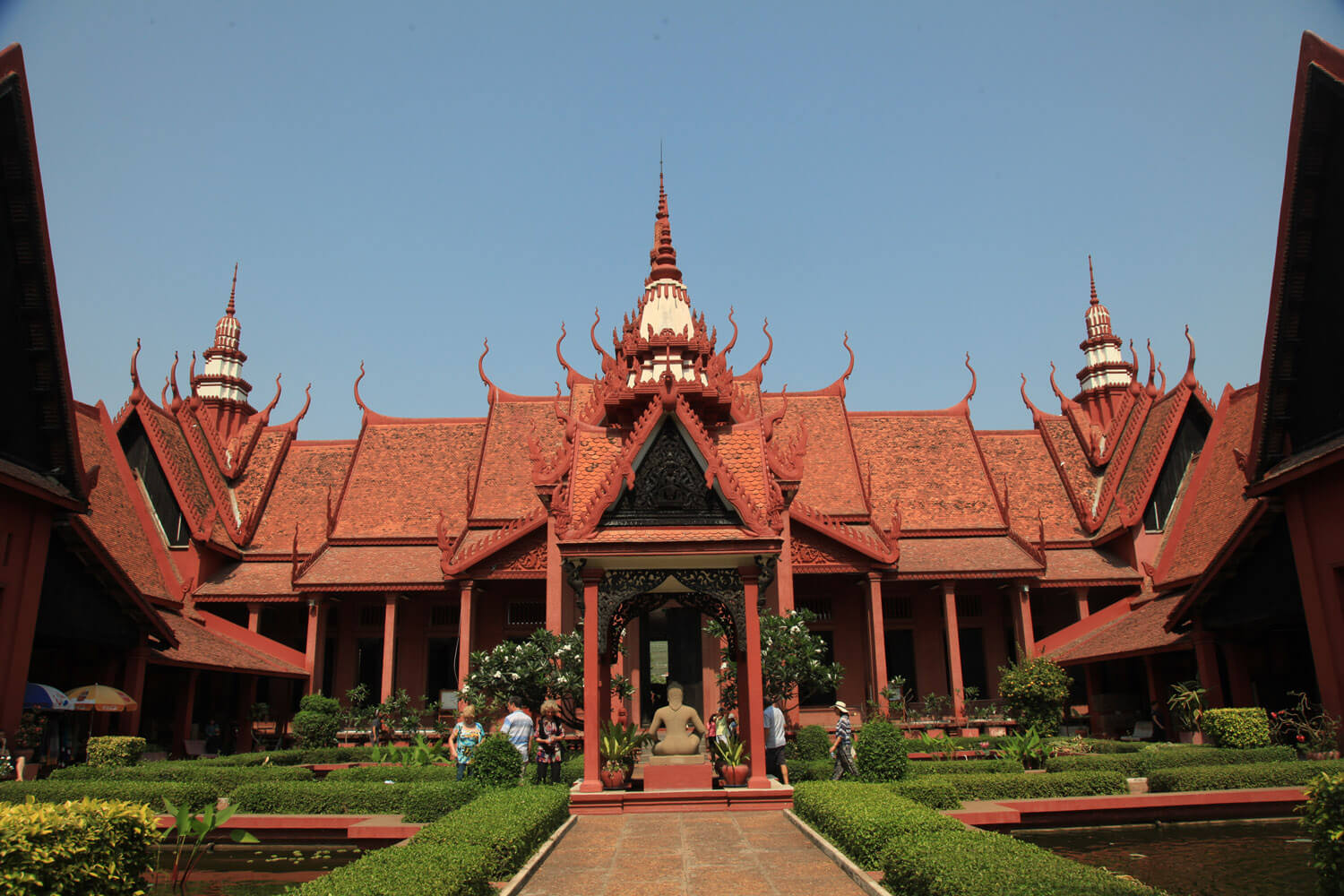
Cambodia 4 Nights and 5 Days
Trip Type:Leisure & Historical
Activity Level:Moderate
Service Level:Excellent