

Pangolakha wildlife sanctuary (Pakyong, Padamchen, Dzuluk, Gnathang valley)
Destinations Covered - Pakyong, Padamchen, Dzuluk (Zuluk), Gnathang Valley, AritarOverview
Situated at eastern part of Sikkim on the popular Old Silk Route. The jungle combined with alpine, sub-alpine forest & bamboo thickets has rich habitat for a huge number of altitude bird species like Himalayan Monal, Blood Pheasant, Satyr Tragopan, Snow Pigeon, etc. and some exclusive mammal species like Himalayan Serow, Himalayan Goral, Himalayan Tahr, Yellow-throated Marten, Moupin’s Pika, Hodgson’s Giant Flying Squirrels etc. Rather than the mentioned one the important birds of this area are Great Parrotbill, Spot-bellied Eagle Owl, Fire-tailed Myzornis, Coal Tit, Rufous-vented Tit, Grey-crested Tit, Blanford’s Rosefinch, Himalayan White-browed Rosefinch, Pink-browed Rosefinch, Upland Buzzard, Himalayan Buzzard, Wallcreeper etc. Mid October to March is the best time to visit this route.
Inclusions
- All Food [Morning Tea, Breakfast, Lunch, Evening Tea, Evening Snacks, Dinner]
- All STAY (on double sharing basis)
- All Permit
- All Guide & Car Fare
Itinerary
This 6-day high-altitude journey traverses the historical Silk Route corridor while extensively exploring the rich ecosystems of the Pangolakha Wildlife Sanctuary. Starting from the plains, you ascend to the quiet town of Pakyong. After acquiring your permits in Rongli, you enter the dense forests of Padamchen—a hotspot for Himalayan birding and wildlife. The ascent continues up the iconic Zig-Zag road to Dzuluk for breathtaking views of Mount Kanchenjunga. You then cross into the extreme high-altitude alpine terrain of Gnathang Valley and Kupup Lake before descending back to the lower foothills of Aritar, culminating in a scenic return to Bagdogra/NJP.
Day 1: Arrival at NJP/Bagdogra & Drive to Pakyongclose
Ascend to the gateway of East Sikkim
Day 2: Pakyong to Padamchen via Rongliclose
Entering the Pangolakha Wildlife Sanctuary
Day 3: Padamchen to Dzuluk (Zuluk)close
The legendary 32-hairpin bends
Day 4: Dzuluk to Gnathang Valley via Kupupclose
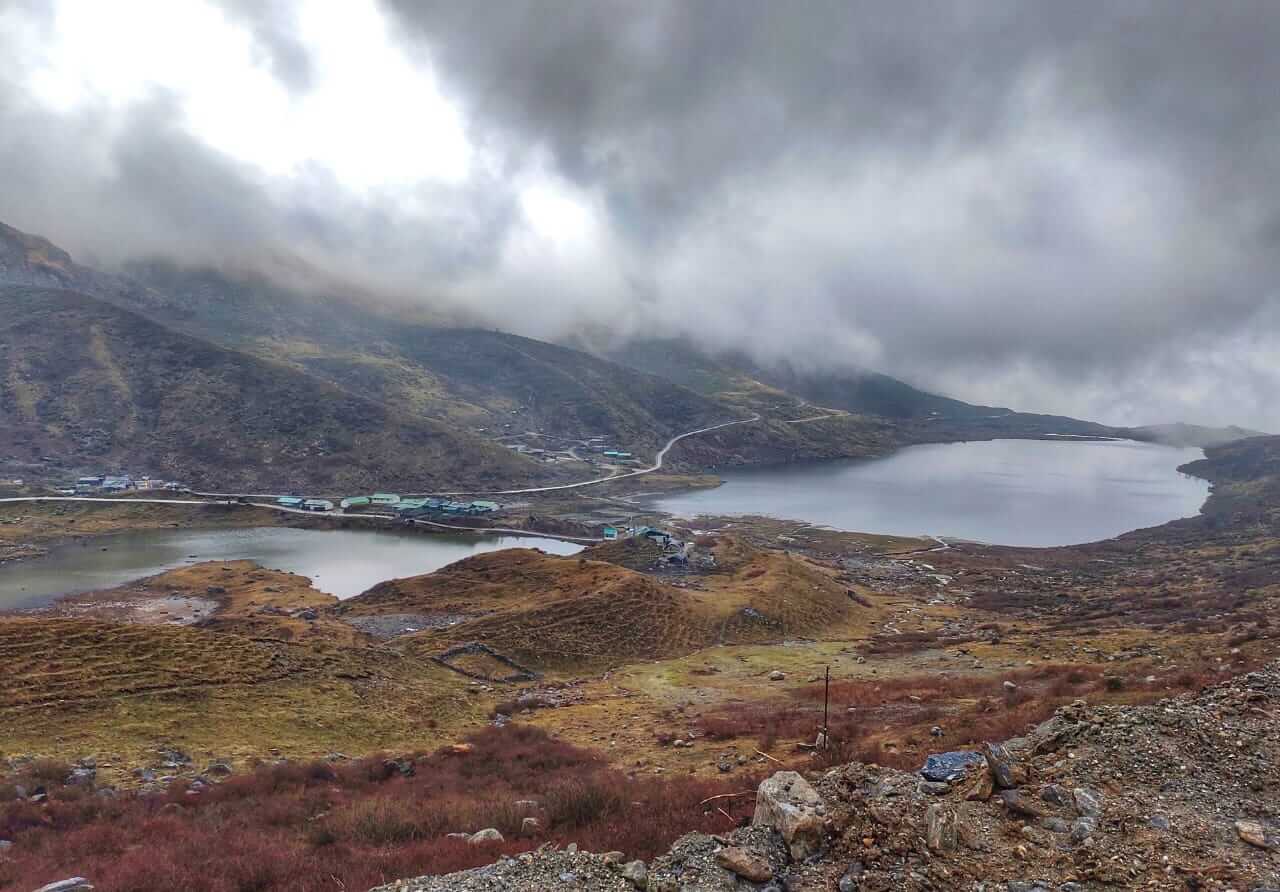
High-altitude plains and sacred lakes
Day 5: Gnathang Valley to Aritarclose
Descent to the emerald lakes
Day 6: Aritar to NJP/Bagdogra Departureclose
Bid farewell to the Silk Route
Gallery
Immerse yourself in the breathtaking landscapes and rich biodiversity of East Sikkim through our gallery. Gaze upon the untouched, dense forest canopies of the Pangolakha Wildlife Sanctuary in winter, a haven for rare Himalayan flora and fauna.
Exclusions
- Any expenses of journey-return railway/air ticket fare
- Any extra buying
- Any extra food
- Any extra cost for RTPCR report (if needed).
Important Notes
This route offers high altitude birding with very cold weather, snowfall on Dec-Feb, so you have to take all precautionary measurements. There is always a challenge in high altitude birding, you have to be patience and keep your faith on local guide / driver. One must have to keep this in mind that this area is a part of border with China, so military movements are very common to this location, and there is also some photograph prohibited zones.
Essential trip
information!
Pack a comprehensive, multi-layered wardrobe designed for extreme alpine climate shifts: lightweight clothing for daytime in the lower foothills (Pakyong, Aritar), and heavy thermal inners, fleece jackets, windproof outer shells, woolen caps, thermal socks, and insulated gloves for Dzuluk and Gnathang Valley, where temperatures regularly drop near or below freezing. Sturdy, waterproof hiking shoes with deep traction are essential for nature trails in Padamchen. Bring high-SPF sunscreen, polarized UV sunglasses to protect against snow glare, binoculars for bird and wildlife viewing, personal medications (including prescribed Altitude Sickness tablets like Diamox), and a basic first-aid kit. The local currency is the Indian Rupee (INR); carrying ample cash is critical, as ATMs and digital payment networks are completely non-functional across the high-altitude Silk Route sector.
Reviews
You may also like
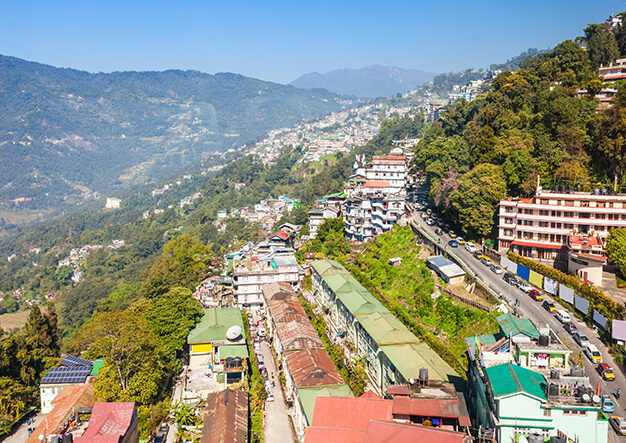
4 Days and 3 Nights
Gangtok Special
Trip Type:Leisure
Activity Level:Mild to Moderate
Service Level:Moderate - Excellent
6 Days & 5 Nights
Gangtok with North Sikkim
Trip Type:Mountain Trip
Activity Level:High
Service Level:Moderate - Excellent
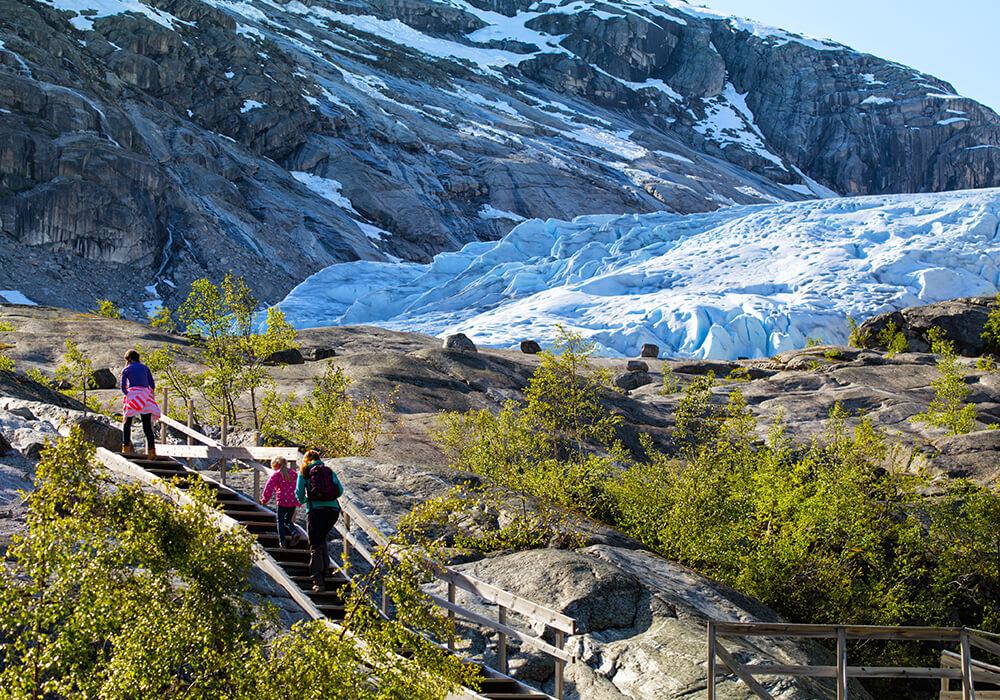
6 Days & 5 Nights
Darjeeling Gangtok special
Trip Type:Classic, Nature
Activity Level:Moderate
Service Level:Premium
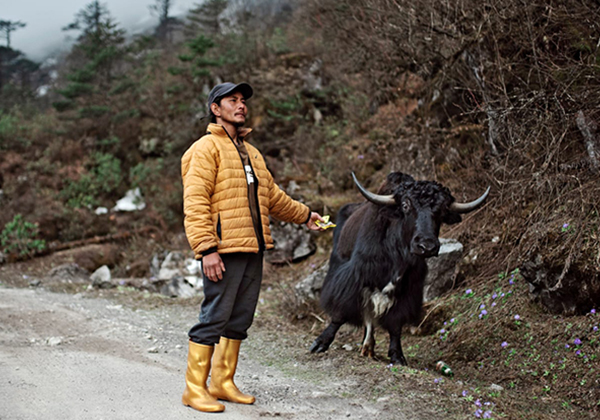
8 Days and 7 Nights
Gangtok - Lachung with Darjeeling
Trip Type:Leisure
Activity Level:Mild to Moderate
Service Level:Moderate - Excellent
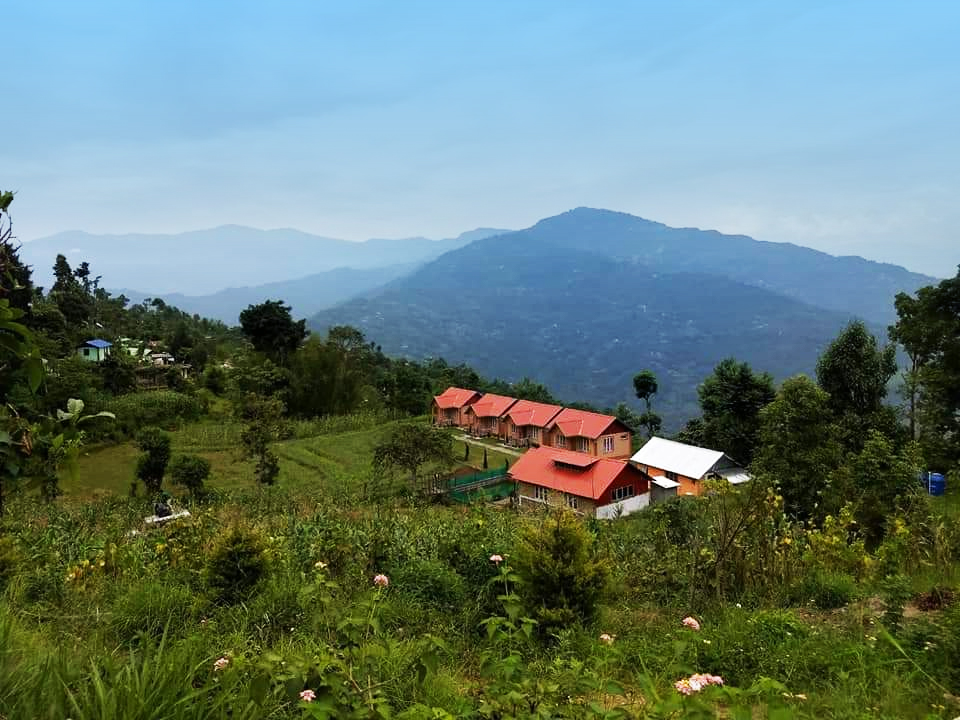
8 Days and 7 Nights
Darjeeling Sikkim Kalimpong Wonder
Trip Type:Classic, Nature
Activity Level:Moderate
Service Level:Premium
5 Days and 4 Nights
Darjeeling Sikkim Regular Package
Trip Type:Classic, Nature
Activity Level:Moderate
Service Level:Premium
9 Nights and 10 Days
Old Silk Route
Trip Type:Old Silk Route
Activity Level:Moderate to Challenging
Service Level:Premium

7 Days and 6 NIghts
Darjeeling Pelling Gangtok
Trip Type:Classic, Nature
Activity Level:Moderate
Service Level:Moderate - Excellent